Liposuction in Turkey
Liposuction removes selected fat deposits for body contouring; suitability, extent, scars, recovery and outcome require individual surgical assessment.
In short: your price for liposuction is confirmed in writing after a free online consultation, once a surgeon has reviewed your case. The written plan names your board-certified surgeon and sets out the hospital stay, tests, accommodation, transfers and aftercare, so you know exactly what is included. Treatment extent, recovery, travel clearance and contour change vary; the named surgeon must confirm an individual plan and no final shape or timetable is guaranteed.
GET A QUOTE
⚕️ Named contracted plastic surgeons | 🏥 Professional Support | 📦 Individual, itemised treatment plans
THE PROCEDURE
What is a liposuction?
Liposuction is a body contouring procedure that removes stubborn fat deposits from specific areas of the body to improve shape and proportion.
Liposuction is not a weight-loss treatment. Through incisions, a surgeon removes selected subcutaneous fat from agreed areas. Contour change depends on anatomy, skin quality, treatment extent, healing and weight change; irregularity, asymmetry and loose skin can remain or develop.
At Revitalize in Turkey, the written plan should identify the named contracted surgeon and facility, areas and technique proposed, alternatives, limits, risks, costs, recovery support and follow-up responsibilities.
Board Certified Surgeons
The written proposal identifies the named surgeon and facility so registration, role and relevant experience can be checked.
Professional Support
24/7 available support personnel to assist you with any of your needs.
All Inclusive Packages
Only the treatment and support items listed in the individual written proposal are included; exclusions and separately payable costs should be stated.
SUITABILITY
Are you a candidate for liposuction?
A liposuction may be right for you if you:
- Notice stubborn fat deposits in areas such as the abdomen, flanks, thighs, arms, back, or under the chin that do not respond to diet and exercise
- Are in good general health and a non-smoker, or able to stop before surgery
- Are close to your ideal body weight and want to improve body contours rather than achieve major weight loss
- Have realistic expectations about a more sculpted, balanced body shape rather than a scale-based transformation
Photographs may support preliminary review but do not establish suitability. The named surgeon should assess health, medicines, smoking, clot risk, anatomy, skin quality and goals, and discuss no treatment, alternatives or staged treatment where appropriate.
TECHNIQUES
Liposuction techniques we offer
The right technique depends on your anatomy, the degree of ageing and your recovery preferences.
Tumescent Liposuction
Standard liposuction procedure to remove the fat pads under the skin through a cannula.
YOUR JOURNEY
How the process works
A coordinated process with clinical decisions and travel clearance made by the named treating surgeon.
1
Share relevant information and photographs for preliminary review; the final plan requires appropriate clinical assessment.
2
Required health checks, tests and an in-person meeting with the named surgeon take place before final approval.
3
Procedure duration varies with the number of areas, technique, anaesthesia, positioning and individual clinical factors.
4
Recovery monitoring, dressing changes, nursing support and structured follow-up.
RECOVERY
Liposuction recovery timeline
Early recovery: Pain, swelling, bruising, fluid leakage, numbness and reduced mobility can occur. Follow the surgeon’s individual instructions for medicines, compression, dressings, drains, movement and warning signs.
Travel and activity: Drain removal, work, exercise and permission to fly are individual. Do not book travel or resume activity from a generic timetable.
Contour change: Swelling can persist for months and improvement is variable. Irregularity, asymmetry, loose skin or need for further treatment can remain.
Long-term: Liposuction does not prevent future weight or body-shape change. Maintain follow-up and seek urgent care for symptoms identified by the treating team.
SAFETY FIRST
Risks & safety
Liposuction is surgery and carries risks including pain, swelling, bruising, bleeding, infection, seroma, burns or skin injury, altered sensation, contour irregularity, asymmetry, loose skin, scarring, anaesthetic complications, blood clots, fat embolism, fluid imbalance and need for further treatment. Serious complications can occur.
Assessment and risk-reduction measures cannot eliminate complications. The named surgeon should explain individual risk, treatment limits, thrombosis prevention, urgent symptoms, emergency arrangements, follow-up and responsibility for additional care or costs.
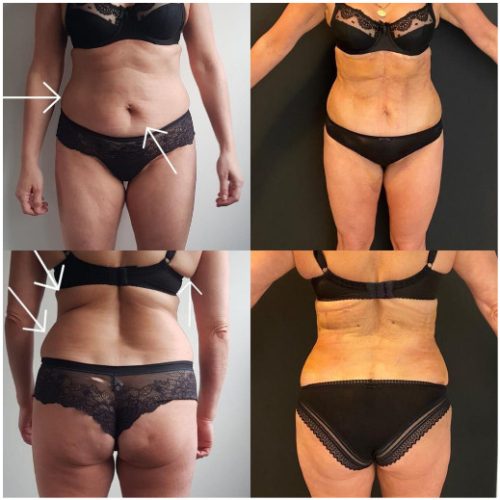
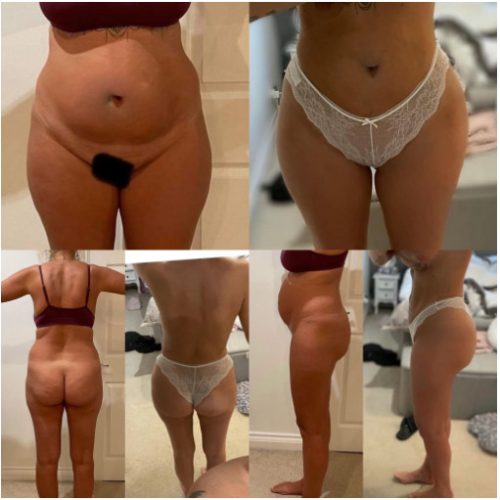
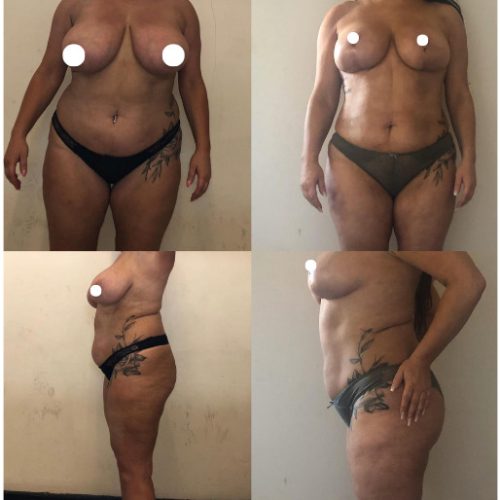
REAL PATIENT IMAGES
Before & after
Images supplied as genuine Revitalize patient examples; individual outcomes vary and cannot be predicted from photographs.
YOUR SURGEON
Meet the specialist
The individual proposal names the contracted plastic surgeon so professional registration, specialty and proposed role can be verified.
Plastic Surgeon
Plastic Surgeon
Plastic Surgeon
PATIENT STORIES
What our patients say
Verified reviews from Revitalize patients. Individual experiences do not guarantee another patient’s result.
EXCELLENT Based on 80 reviews
 Posted on Google
 Vanya Briggs
Trustindex verifies that the original source of the review is Google.
I chose Revitalise in November 2025 for a deep plane facelift, neck lift, temple brow lift, and facial fat grafting. I was quite apprehensive beforehand, but the moment I met the surgeon and the team, all my worries disappeared. They were absolutely incredible , professional, reassuring, and genuinely caring. We stayed at the Mandarin resort, which was lovely overall, and although there are a few small areas that could be improved, the experience surrounding the surgery itself was exceptional. Professor Ahmets hands gave me complete confidence, and the nurses were attentive, kind, and consistently supportive. Our chaperones were brilliant throughout the stay. We had a few different ones, but Abbie supported my husband and me for most of our time there, and she was truly outstanding. Teona was also wonderful at the resort and Lali The rest of the staff appear to be kind too. We really enjoyed our time in Izmir exploring the bazaar, trying different restaurants, seeing the local sights, and having moments of proper relaxation too. The only area I feel could benefit from improvement is the food at the resort. Because it’s quite a distance from other places to eat, having more substantial meal options would make a big difference, especially for Brits recovering from surgery who often need protein-rich, hearty meals. The soups and porridge were delicious, but sometimes you just need a proper meal with meat and carbs to support recovery. Aside from that, everything else was faultless. My husband also had dental work done, and the dentist was extremely attentive. I’ve already booked to return this year for a breast revision and hairline procedure with Revitalise. Thank you so much for everything especially Teona and Abbi ❤️Posted on Google alison richardsonThe whole process from start to finish was very slick, friendly and professional. I was met at the airport by a lovely driver and there was another young lady with me as well. We were dropped to the villa and given some soup which was nice. Next day I had my surgery. Deep plane facelift, neck lift, temporal brow lift and upper eyes. Everything went well and I spent the next 6 nights at the villa recovering. It’s a lovely place to stay and you can even just pick oranges off the trees! They are super delicious. I walked down to the sea one day as well. There are a couple of mini markets you can buy things from. I 100% recommend this clinic to anyone looking to have surgery. It takes all the stress out of it and they even found the flights for me! One lady who was there with me had been there 6 times and when she told me her age I very nearly fell off my chair lol! Will definitely be back possibly for teeth. Thank you all so much and see you again :-)Posted on Google
 Karen longI am almost 4 weeks post op, I had a Mummy Makeover. I am delighted with my results. The care received from all was amazing. I will be going back later this year. Thank you all.Posted on Google
 Arzu AltanMe and my husband went for dental implants in Izmir and after a couple of months evaluating options we choose Revitalize. It was the best decision! We have just completed the second phase of our treatment last Monday and we couldn´t be happier. It is true, it is not painless as the say, but all in all worthed the disconforth we had, during same (few) steps. For sure, if an acquaintance of ours wish to perform outstanding oral surgery at a very good price, we will sure recomend Revitalize.Posted on Google
 Gill BrownJust been to Revitalize for my second time. For someone going alone for surgery which is obviously a scary experience I highly recommended this company. They took fantastic care of me the whole way through and everything is super professional. The staff are all very kind and the accommodation is lovely. Since I've come home they have answered my queries right away too. I met some really great other people at the villa and enjoyed getting to know them and our meal times together. I wouldn't hesitate to book with Revitalize if you are considering it 😊Posted on Google
 Paula Deveney-SwanI had an extended Tummy Tuck in February 2024. The service was outstanding. On arriving the driver was waiting for me to take me to the villa. The villa is just amazing, helpful friendly and experienced staff on call 24/7 The surgeon was friendly and informative The hospital was spotless, I stayed for 1 night before going back to the villa to recover for a further 8 nights The room at the villa had everything I needed and pull cords should help have been needed, thankfully it wasn’t. The grounds and pool were perfect, unfortunately I could only look at the pool due to surgery. February 2025 and I’m back, this time for breast reduction and uplift. Again can’t find fault in anything. Staff always on hand to help, hospital and villa spotless. What next ……Posted on Google
 Sonia BramleyUnparalleled service and care provided. Their unique set up of providing pre- and post-operative support is incredible. You have 24/7 on site support as well as residing with patients undergoing similar procedures. Their English speaking surgeons really listen and treat you as individuals rather than a conveyor belt of procedures. The camaraderie that you build at the villa is unmatchable. I cannot recommend this company highly enough.
LIMITED TREATMENT WARRANTY
Check the written warranty terms
Any limited treatment warranty is contractual and does not guarantee contour, symmetry, healing, absence of complications or revision. Eligibility, exclusions, claims, corrective treatment and travel costs are governed only by the current written terms supplied for the individual plan.
Ask Revitalize to confirm the applicable terms in writing before treatment. Read the current treatment warranty terms.
CONTACT US
Get a quote for our treatment packages
ANSWERS
Frequently asked questions
Is liposuction permanent?
Removed fat cells do not regrow in the same way, but remaining fat cells, weight, ageing, pregnancy and skin changes can alter contour. No permanent body shape is guaranteed.
Does liposuction tighten skin?
Skin tightening depends on skin elasticity; additional procedures may be needed for loose skin.
Is the procedure painful?
Pain and discomfort vary and medicines may not remove them completely. Ask about the individual pain plan and symptoms requiring review.
How much fat can be removed?
The surgeon must set an individual limit considering health, body size, treatment areas, anaesthesia, fluid balance and facility capability. More extensive removal can increase risk.
Can liposuction be combined with other procedures?
Combination surgery may increase operating time and risk. It is appropriate only when the named surgeon and facility confirm an individual plan and alternatives.
Page information does not replace an individual assessment by the named treating surgeon.
The information provided by our company is for general informational purposes only and should not be considered medical advice, diagnosis, or treatment. We do not provide medical services directly; instead, we facilitate connections between patients and named licensed healthcare providers identified in your individual written proposal. All medical procedures, consultations, and treatments are carried out solely by licensed physicians and medical institutions.
Individual results may vary, and all medical decisions should be made in consultation with a qualified healthcare professional. We strongly recommend that you seek independent medical advice regarding any condition or treatment options before making a decision. Our company is not responsible for any medical outcomes, complications, or decisions made based on the information provided through our platform or services.