
Gastric bypass surgery is one of the most effective and best-studied weight-loss operations in the world. It works by creating a small stomach pouch and rerouting part of the small intestine, combining two mechanisms: it restricts how much you can eat, and it reduces how many calories your body absorbs. The most common version is the Roux-en-Y gastric bypass (RYGB). Beyond weight loss, gastric bypass has a powerful effect on type 2 diabetes — often improving or resolving it — which is why it’s also called metabolic surgery. This guide explains the key facts: how gastric bypass works, who’s eligible, how it compares to the gastric sleeve, the weight-loss and health results, the risks, the lifelong commitment it requires, recovery, and the cost in Turkey versus the UK.
Gastric bypass is major surgery and a lifelong commitment — not a quick fix. The best outcomes come from patients who understand what the operation does, what it requires of them afterward, and who are properly assessed and supported. This guide is honest about both the benefits and the demands. Information aligns with NHS, NICE and British Obesity and Metabolic Surgery Society (BOMSS) guidance.
Table of contents
- The short answer
- What is gastric bypass surgery?
- How gastric bypass works (Roux-en-Y)
- Who is eligible for gastric bypass?
- Gastric bypass vs gastric sleeve
- Gastric bypass surgery — at a glance
- Weight loss results
- Diabetes and metabolic benefits
- The procedure step by step
- Recovery and the staged diet
- The lifelong commitment
- Risks and complications
- Cost — Turkey vs UK
- Frequently asked questions
- What to do next
The short answer
Gastric bypass surgery (Roux-en-Y) creates a small stomach pouch and reroutes the small intestine, so you eat less and absorb fewer calories. It’s one of the most effective weight-loss operations, with patients typically losing 60–80% of their excess weight within 1–2 years, and it frequently improves or resolves type 2 diabetes, high blood pressure and sleep apnoea. Eligibility usually requires a BMI of 40+, or 35+ with an obesity-related condition. It’s major surgery requiring 2–3 nights in hospital, a staged post-op diet, and lifelong vitamin and mineral supplementation. In Turkey, gastric bypass typically costs £4,500–£7,000 all-inclusive — roughly half UK private pricing. It is a lifelong commitment, not a quick fix, and the best results come from properly assessed, well-supported patients.
What is gastric bypass surgery?
Gastric bypass is a type of bariatric (weight-loss) surgery. The most common form, Roux-en-Y gastric bypass (RYGB), has been performed for decades and has one of the strongest long-term evidence bases of any weight-loss procedure. It’s both a restrictive procedure (limiting how much you can eat) and a malabsorptive one (reducing calorie and nutrient absorption) — which is why it’s typically more powerful than purely restrictive procedures like the gastric sleeve.
It’s also classed as metabolic surgery because of its dramatic effects on type 2 diabetes and other metabolic conditions — effects that begin even before significant weight loss, through hormonal changes in the rerouted gut.
How gastric bypass works (Roux-en-Y)
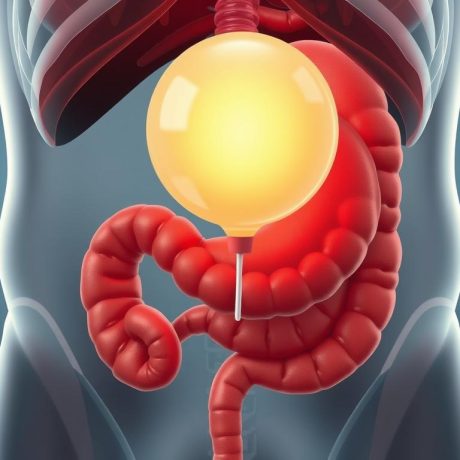
The Roux-en-Y gastric bypass involves two main steps, performed laparoscopically (keyhole) in most cases:
- Creating a small stomach pouch. The surgeon divides the stomach to create a small pouch (about the size of an egg) at the top. This becomes your functional stomach — so you feel full after a small meal.
- Rerouting the small intestine. The small intestine is divided and reconnected to the new pouch in a Y-shape (hence “Roux-en-Y”). Food now bypasses most of the stomach and the first part of the small intestine, reducing calorie and nutrient absorption.
The combined effect: you eat less, absorb fewer calories, and experience powerful changes in gut hormones that reduce appetite and improve blood sugar control. The result is significant, sustained weight loss and major metabolic improvements for suitable patients.
Who is eligible for gastric bypass?
Bariatric surgery has clear eligibility criteria, consistent across the UK, EU and reputable Turkish clinics:
- BMI of 40 or above, or
- BMI of 35 or above with a serious obesity-related condition — type 2 diabetes, high blood pressure, obstructive sleep apnoea, or severe joint disease.
- Some programmes consider BMI 30–35 with poorly-controlled type 2 diabetes for metabolic surgery.
- Previous attempts at non-surgical weight loss.
- Fit enough for surgery and general anaesthesia (see medical clearance).
- Understanding of, and commitment to, the lifelong dietary and supplement changes required.
- Stable mental health and realistic expectations.
Important. Bariatric surgery requires thorough multidisciplinary assessment — surgeon, dietitian, and often a psychologist. A reputable clinic will not operate on a patient who doesn’t meet criteria or isn’t prepared for the lifelong commitment. If a clinic offers bariatric surgery with no real assessment, that’s a serious warning sign — see our safe clinic guide.
Gastric bypass vs gastric sleeve
These are the two most common weight-loss operations. Neither is universally “better” — the right choice depends on your health profile, weight, and specific conditions.
| Factor | Gastric bypass | Gastric sleeve |
|---|---|---|
| Mechanism | Restriction + malabsorption + hormonal | Restriction + hormonal |
| Stomach change | Small pouch + rerouted intestine | ~75–80% of stomach removed |
| Typical excess weight loss | 60–80% | 50–70% |
| Type 2 diabetes effect | Often dramatic — frequently resolves | Strong, slightly less than bypass |
| Severe acid reflux | Improves reflux | Can worsen reflux |
| Complexity | More complex (two connections) | Simpler (one division) |
| Nutritional deficiency risk | Higher — lifelong supplements essential | Lower but still needs supplements |
| Reversibility | Technically reversible (complex) | Not reversible (stomach removed) |
| Best suited to | Higher BMI, diabetes, severe reflux | Lower surgical risk preference, no severe reflux |
Your surgeon and dietitian recommend the procedure that best fits your profile. Patients with severe acid reflux or hard-to-control type 2 diabetes often do better with bypass; patients prioritising a simpler operation may suit the sleeve.

Weight loss results
Gastric bypass produces substantial, sustained weight loss for most patients:
- Typical excess weight loss of 60–80% within the first 1–2 years (excess weight = the amount above a healthy BMI).
- The fastest loss occurs in the first 6 months, continuing to a plateau around 18–24 months.
- Long-term studies show most patients maintain significant weight loss for many years, provided they adhere to dietary and lifestyle changes.
- Some weight regain over time is common but usually modest in committed patients.
Results depend heavily on the patient following the post-op diet, taking supplements, staying active, and attending follow-up. Surgery is a powerful tool, but it works with the patient’s effort, not instead of it.
Diabetes and metabolic benefits
One of the most remarkable features of gastric bypass is its effect on type 2 diabetes. Many patients see dramatic improvement — often before significant weight loss — through changes in gut hormones that improve insulin sensitivity and blood sugar control. A large proportion of patients reduce or stop diabetes medication, and many achieve remission.
Beyond diabetes, gastric bypass frequently improves or resolves:
- High blood pressure (hypertension).
- Obstructive sleep apnoea.
- High cholesterol.
- Fatty liver disease.
- Joint pain from excess weight.
- Fertility and PCOS symptoms in some women.
These metabolic benefits are why gastric bypass is increasingly viewed as treatment for metabolic disease, not just a weight-loss operation.
The procedure step by step
Pre-op. Multidisciplinary assessment (surgeon, dietitian, psychologist), medical clearance, and often a 2-week pre-op liver-reduction diet to make surgery safer.
Anaesthesia. General anaesthesia in an accredited hospital with full theatre and ICU backup.
Surgery (keyhole). The surgeon creates the small stomach pouch, divides and reroutes the small intestine into the Roux-en-Y configuration, usually through a few small laparoscopic incisions. Takes roughly 1.5–3 hours.
Hospital stay. Typically 2–3 nights, with monitoring, early mobilisation, pain control, and the start of the liquid diet.
Discharge. Home or to a recovery retreat with a detailed staged-diet plan, supplements, and a follow-up schedule.
Recovery and the staged diet
Recovery from gastric bypass involves a carefully staged diet that lets the new stomach and connections heal:
- Weeks 1–2: liquids only. Water, broth, protein shakes, thin soups.
- Weeks 3–4: puréed foods. Smooth, blended foods.
- Weeks 5–6: soft foods. Soft, easily-chewed foods.
- Week 6+: normal textures, reintroduced gradually, in small portions, prioritising protein.
Other recovery points: most patients return to desk work in 2–3 weeks and full activity by 4–6 weeks. Eating slowly, chewing thoroughly, separating food and drink, and prioritising protein become permanent habits. Following the staged diet exactly is essential — rushing it risks complications.
The lifelong commitment
This is the part patients must understand before committing. Gastric bypass is not a one-time event — it’s a permanent change in how you eat and how your body absorbs nutrients. Lifelong requirements include:
- Daily vitamin and mineral supplements — multivitamin, vitamin B12, iron, calcium, vitamin D, and others. Because the bypass reduces absorption, supplementation is essential for life to prevent deficiency.
- Regular blood monitoring for nutritional deficiencies.
- Permanent dietary habits — small portions, high protein, slow eating, avoiding high-sugar foods (which can cause “dumping syndrome”).
- Lifelong follow-up with a bariatric team or GP.
- Regular physical activity to maintain weight loss and health.
Patients who embrace these changes do well long-term. Patients who don’t are at risk of nutritional deficiencies and weight regain. The surgery is a powerful tool, but the patient drives the long-term result.
Risks and complications
Gastric bypass is major surgery with a real risk profile that must be weighed against the substantial health benefits — see our understanding surgical risks guide. Risks include:
- Anastomotic leak — leakage at one of the new connections; a serious early complication requiring prompt treatment.
- Stricture — narrowing at a connection, sometimes needing endoscopic dilation.
- Internal hernia / bowel obstruction — can occur months or years later.
- Dumping syndrome — rapid emptying of food into the intestine after high-sugar meals, causing nausea, sweating and diarrhoea (also acts as a deterrent to unhealthy eating).
- Nutritional deficiencies — preventable with lifelong supplements and monitoring.
- Gallstones — more common after rapid weight loss.
- Standard surgical risks — bleeding, infection, blood clots (DVT/PE), anaesthesia risk.
Performed by an experienced bariatric surgeon in an accredited hospital with proper aftercare, gastric bypass is a well-established, generally safe operation — but the risks are real and require an informed decision.
Cost — Turkey vs UK
Gastric bypass cost, 2026 indicative:
- UK private: £10,000–£15,000
- Turkey all-inclusive: £4,500–£7,000
- Typical saving: £5,000–£8,000
Turkey package typically includes surgery, hospital stay, anaesthesia, pre-op work-up, dietitian support and follow-up. Flights and accommodation are usually additional. The NHS provides gastric bypass free for eligible patients, but waiting lists are long and criteria strict.
Many UK patients consider Turkey because NHS bariatric criteria are strict and waiting lists long, while UK private pricing is high. The saving is substantial — but bariatric surgery especially demands a clinic with proper assessment, accredited hospital, experienced bariatric surgeon, and a real aftercare and follow-up programme. Don’t choose on price alone; see our cost comparison и safe clinic guide.
Frequently asked questions
How does gastric bypass surgery work?
It creates a small stomach pouch and reroutes the small intestine in a Y-shape (Roux-en-Y). This restricts how much you can eat and reduces calorie and nutrient absorption, while changing gut hormones that reduce appetite and improve blood sugar. The result is significant, sustained weight loss and major metabolic improvements.
Who is eligible for gastric bypass?
Typically a BMI of 40+, or 35+ with a serious obesity-related condition (type 2 diabetes, hypertension, sleep apnoea). Some programmes consider BMI 30–35 with poorly-controlled diabetes. Patients must be fit for surgery, have attempted non-surgical weight loss, and be prepared for the lifelong dietary and supplement commitment.
How much weight will I lose with gastric bypass?
Typically 60–80% of excess weight within 1–2 years, with the fastest loss in the first 6 months. Long-term maintenance depends on following the post-op diet, taking supplements, staying active and attending follow-up. Some modest regain over time is common.
Is gastric bypass or gastric sleeve better?
Neither is universally better. Gastric bypass tends to produce slightly more weight loss, has a stronger effect on type 2 diabetes, and improves acid reflux — but is more complex and carries a higher risk of nutritional deficiency. The gastric sleeve is simpler with lower deficiency risk but can worsen reflux. Your surgeon and dietitian recommend the right one for your profile.
Does gastric bypass cure diabetes?
Gastric bypass frequently improves or resolves type 2 diabetes — often before significant weight loss — and many patients reduce or stop diabetes medication. “Remission” is common but not guaranteed, and depends on factors including diabetes duration. This metabolic effect is one of the main reasons the surgery is performed.
Do I need to take supplements forever after gastric bypass?
Yes. Because the bypass reduces nutrient absorption, lifelong vitamin and mineral supplementation (multivitamin, B12, iron, calcium, vitamin D and others) is essential to prevent deficiency, along with regular blood monitoring. This is a non-negotiable part of the commitment.
How long is recovery from gastric bypass?
Hospital stay is typically 2–3 nights. Most patients return to desk work in 2–3 weeks and full activity by 4–6 weeks. The staged diet (liquids → puréed → soft → normal) runs over about 6 weeks. Permanent eating habits — small portions, high protein, slow eating — begin from day one.
How much does gastric bypass cost in Turkey?
Typically £4,500–£7,000 all-inclusive in 2026, versus £10,000–£15,000 UK private — a saving of £5,000–£8,000. The Turkey package usually includes surgery, hospital stay, dietitian support and follow-up; flights and accommodation are additional. Choose on clinic quality and aftercare, not price alone.
Is gastric bypass reversible?
Technically yes, but reversal is a complex major operation and is rarely done. Gastric bypass should be considered a permanent change. (By contrast, the gastric sleeve is not reversible at all, since part of the stomach is removed.)
What to do next
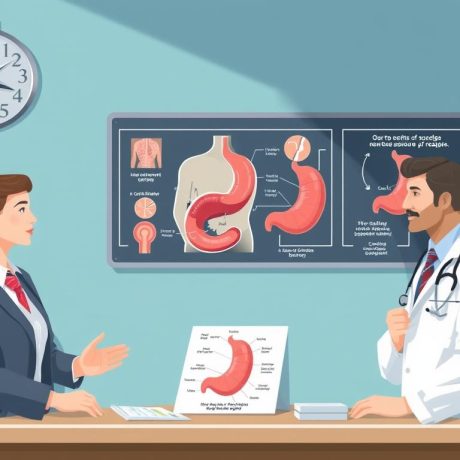
If you’re considering gastric bypass surgery, the first step is a full assessment to confirm eligibility, discuss whether bypass or sleeve suits you better, and ensure you understand the lifelong commitment. Revitalize in Turkey provides bariatric assessment including surgeon and dietitian input, surgery in accredited hospitals, and structured follow-up. Consultations are available in Manchester, London and Liverpool, or remotely.
- Book a free consultation
- Gastric sleeve surgery
- Why BMI matters before surgery
- How surgeons assess candidates
- Восстановительное лечение в Мандариновой роще
- Read independent patient reviews
Continue reading our medical tourism in Turkey cluster
- Complete Guide to Medical Tourism in Turkey
- Understanding Surgical Risks
- How Recovery Affects Final Results
- How to Choose a Safe Clinic in Turkey
- Turkey vs UK Cosmetic Surgery Cost
About the author
Revitalize In Turkey Medical Team, medical content writer specialising in bariatric and metabolic surgery.
Medically reviewed by
Dr. Ozgul Akgul, Bariatric & General Surgery, Turkish Ministry of Health Registration No. [XXXX]. Member of the relevant Turkish bariatric surgery society.
Last reviewed: 26 May 2026.
This article is for general patient information and does not constitute medical advice. Gastric bypass is major surgery requiring multidisciplinary assessment. Eligibility, results, risks and recovery vary by individual. Always consult a licensed bariatric surgeon and dietitian before any weight-loss surgery decision.

 English
  Afrikaans
  Albanian
  Russian
  German
  Swedish
  Spanish
  Romanian
  Portuguese
  Japanese
  Azerbaijani
  Chinese
  Dutch
Dutch  French
  German (Formal)
  Greek
Greek