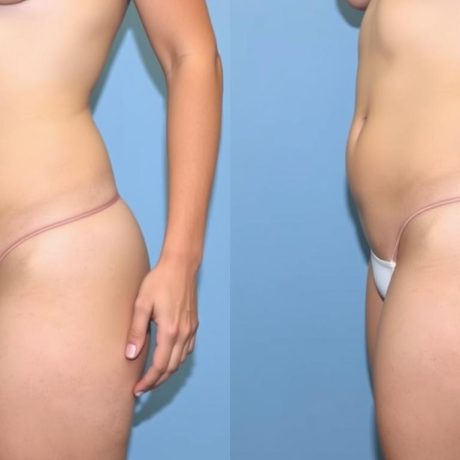
Dealing with male breast enlargement can be a challenging experience. Understanding the available gynecomastia treatment options is crucial for making informed decisions about your health.
Exploring the various aspects of male breast enlargement treatment can help individuals regain confidence in their appearance. From understanding the condition to exploring surgical and non-surgical options, it’s essential to have a comprehensive guide.
This article aims to provide an in-depth look at the best gynecomastia treatment options, helping you take control of your chest appearance.
Key Takeaways
- Understanding the causes of male breast enlargement is crucial.
- Surgical and non-surgical treatment options are available.
- A comprehensive guide helps in making informed decisions.
- Regaining confidence through appropriate treatment is possible.
- Exploring the best treatment options is essential.
- Making informed decisions about your health is vital.
Understanding Gynecomastia: Causes and Symptoms
Gynecomastia, a condition characterized by male breast enlargement, affects many men worldwide, causing discomfort and self-consciousness. It is essential to understand the underlying causes and recognize the symptoms to seek appropriate gynecomastia treatment.
Common Causes of Male Breast Enlargement
Male breast enlargement can result from various factors, including hormonal imbalances and certain medications.
Hormonal Imbalances
Hormonal imbalances, particularly an imbalance between estrogen and testosterone, can lead to gynecomastia. Treatment for hormonal imbalance often addresses the underlying cause, which may involve medication or lifestyle changes.
Medication Side Effects
Certain medications, such as those used to treat high blood pressure, prostate issues, and some antidepressants, can cause gynecomastia as a side effect. It’s crucial to discuss any medication-related concerns with a healthcare provider.
Recognizing the Signs and Symptoms
Identifying the physical characteristics and associated discomfort of gynecomastia is vital for seeking medical attention.
Physical Characteristics
The condition often presents with:
- Swollen breast tissue
- Tender or painful breasts
- Asymmetry
Associated Discomfort
Men with gynecomastia may experience emotional distress, including anxiety and self-consciousness about their appearance. Recognizing these signs and symptoms is the first step towards seeking appropriate gynecomastia treatment.
When to Seek Medical Help for Gynecomastia
Recognizing the right moment to seek medical attention for gynecomastia can significantly impact treatment outcomes. Gynecomastia, or male breast enlargement, can be caused by a variety of factors, including hormonal imbalances, certain medications, and underlying medical conditions.
Differentiating Between True Gynecomastia and Pseudogynecomastia
It’s essential to differentiate between true gynecomastia and pseudogynecomastia. True gynecomastia involves the growth of breast gland tissue, whereas pseudogynecomastia is characterized by an accumulation of fat in the breast area. A gynecomastia specialist can provide an accurate diagnosis through physical examination and potentially, additional tests.
| Characteristics | True Gynecomastia | Pseudogynecomastia |
|---|---|---|
| Tissue Type | Breast gland tissue | Fatty tissue |
| Causes | Hormonal imbalance, certain medications | Obesity, fat accumulation |
| Treatment Approach | May require medical or surgical intervention | Often managed with lifestyle changes |
Warning Signs That Require Immediate Attention
Certain symptoms warrant immediate medical attention. These include sudden or severe breast enlargement, pain, or nipple discharge. If you experience any of these warning signs, consult a healthcare professional promptly to rule out underlying serious conditions.
Seeking timely medical help can make a significant difference in the effectiveness of male breast reduction surgery or other treatment approaches.
Diagnosis Process for Gynecomastia
To accurately diagnose gynecomastia, healthcare professionals employ a combination of physical examination procedures and advanced laboratory tests. This comprehensive approach is crucial in determining the underlying cause of male breast enlargement.
Physical Examination Procedures
A thorough physical examination is the first step in diagnosing gynecomastia. During this examination, the healthcare provider assesses the breast tissue, checking for any abnormalities, tenderness, or irregularities. The examination also includes an assessment of the patient’s overall health and medical history to identify any potential underlying causes.
Laboratory Tests and Imaging
Laboratory tests and imaging studies play a vital role in confirming the diagnosis and identifying the cause of gynecomastia.
Hormone Level Testing
Hormone level testing is used to check for hormonal imbalances that could be contributing to gynecomastia. This involves measuring the levels of estrogen and testosterone in the blood.
Mammography and Ultrasound
Mammography and ultrasound are imaging techniques used to evaluate the breast tissue. Mammography helps in identifying any abnormalities in the breast tissue, while ultrasound is useful in distinguishing between glandular and fatty tissue.
Comprehensive Gynecomastia Treatment Approaches
Effective gynecomastia treatment requires a comprehensive approach that considers the severity of the condition. This ensures that the chosen treatment is tailored to the individual’s specific needs, enhancing the likelihood of a successful outcome.
Treatment Selection Based on Severity
The severity of gynecomastia plays a crucial role in determining the most appropriate treatment. Mild cases might be managed with non-surgical approaches, while more severe cases may require surgical intervention.
- Mild gynecomastia: Watchful waiting or medication
- Moderate to severe gynecomastia: Surgical options like liposuction or excision
Creating a Personalized Treatment Plan
A personalized treatment plan is essential for effectively addressing gynecomastia. This involves working closely with medical professionals to understand the condition’s specifics and tailoring the treatment accordingly.
Working with Medical Professionals
Collaboration with healthcare providers is vital. They help in assessing the condition, discussing available treatment options, and guiding the patient through the chosen treatment pathway.
Setting Realistic Expectations
It’s crucial to have realistic expectations about the treatment outcomes. Understanding the potential benefits and limitations of the chosen treatment helps in managing expectations and achieving satisfaction with the results.
By adopting a comprehensive and personalized approach to gynecomastia treatment, individuals can achieve the best possible outcomes, whether through non-surgical methods or surgical interventions.
Non-Surgical Gynecomastia Treatment Options
Non-surgical approaches offer a viable alternative for those seeking to treat gynecomastia without undergoing surgery. These methods can be particularly appealing as they often come with fewer risks and less recovery time compared to surgical interventions.
Watchful Waiting Approach
In some cases, a watchful waiting approach may be recommended, especially if the gynecomastia is mild or has recently developed. This involves monitoring the condition over time to see if it resolves on its own.
Medication Options for Hormonal Imbalance Treatment
For gynecomastia caused by hormonal imbalances, medication can be an effective treatment. Two primary medication options are considered:
Testosterone Replacement Therapy
Testosterone replacement therapy (TRT) is used when low testosterone levels contribute to gynecomastia. By restoring a more balanced hormonal environment, TRT can help reduce breast tissue enlargement.
Estrogen-Blocking Medications
Estrogen-blocking medications, such as tamoxifen, can also be effective. These drugs work by reducing the impact of estrogen on breast tissue, thereby helping to decrease the size of the breasts.
Lifestyle Modifications
Making certain lifestyle changes can also help manage gynecomastia. This can include dietary adjustments, increased exercise, and avoiding substances that can lead to hormonal imbalances.
| Treatment Option | Description | Benefits |
|---|---|---|
| Watchful Waiting | Monitoring the condition over time | Avoids unnecessary intervention |
| Testosterone Replacement Therapy | Restoring testosterone levels | Addresses hormonal imbalance |
| Estrogen-Blocking Medications | Reducing estrogen’s impact | Can decrease breast tissue size |
| Lifestyle Modifications | Dietary and exercise changes | Promotes overall health and hormonal balance |
Gynecomastia Exercises: Benefits and Limitations
Gynecomastia exercises, when done correctly, can contribute to a more toned chest, potentially enhancing the overall effectiveness of treatment. While these exercises are not a standalone solution for gynecomastia, they can be a valuable adjunct to other treatment approaches.
Chest-Focused Workout Routines
A well-structured exercise regimen targeting the chest area can help improve the appearance of the chest for men with gynecomastia. This includes:
Upper Chest Exercises
Exercises like incline dumbbell presses and incline bench presses can help strengthen the upper chest muscles, contributing to a more balanced chest appearance.
Lower Chest Exercises
Lower chest exercises, such as decline bench presses, can also be beneficial in creating a more toned lower chest area.
Setting Realistic Expectations for Exercise Results
It’s crucial to understand that while gynecomastia exercises can improve chest muscle tone, they may not significantly reduce the glandular tissue associated with gynecomastia. As one expert notes, “Exercise can improve the overall appearance of the chest, but it has its limitations when it comes to addressing the underlying condition of gynecomastia.” Therefore, setting realistic expectations and combining exercise with other treatment options is key.
By incorporating a chest-focused workout routine into a comprehensive treatment plan, individuals can potentially enhance their results and achieve a more satisfactory outcome.
Gynecomastia Pills and Supplements: Evidence-Based Review
The market offers various gynecomastia pills and supplements, but their effectiveness can vary greatly. As men consider treatment options for gynecomastia, understanding the evidence behind these pills and supplements is crucial.
Prescription Medications
Prescription medications are often used to treat hormonal imbalances that can cause gynecomastia. Selective estrogen receptor modulators (SERMs) like tamoxifen have been shown to be effective in reducing breast tissue in men. However, these medications should be used under the guidance of a healthcare professional due to potential side effects.
“Tamoxifen has been a cornerstone in the treatment of gynecomastia, particularly for its ability to counteract the effects of estrogen on breast tissue.”
Over-the-Counter Options and Their Efficacy
Over-the-counter (OTC) options, including herbal supplements, are widely available. However, their efficacy is often not supported by robust scientific evidence.
Herbal Supplements
Some herbal supplements claim to help reduce gynecomastia by balancing hormones or reducing fat. Examples include supplements containing turmeric, green tea extract, and ginseng. While these ingredients have potential health benefits, their specific effect on gynecomastia is largely anecdotal.
Scientific Evidence Assessment
A critical assessment of the scientific evidence supporting OTC supplements for gynecomastia reveals a lack of large-scale, controlled studies. The efficacy of these supplements remains largely unproven.
| Supplement | Claimed Benefit | Scientific Evidence |
|---|---|---|
| Turmeric | Anti-inflammatory | Limited human studies |
| Green Tea Extract | Antioxidant, fat reduction | Some human studies, mostly on weight loss |
| Ginseng | Hormone balancing | Limited evidence, mostly animal studies |
In conclusion, while various gynecomastia pills and supplements are available, their effectiveness varies widely. Prescription medications like SERMs have a stronger evidence base than OTC herbal supplements. Men considering these treatments should consult with a healthcare professional to determine the best course of action.
Male Breast Reduction Surgery: Procedure Types
For men suffering from gynecomastia, male breast reduction surgery offers a reliable solution. This surgical intervention is designed to reduce the size of the male breast, restoring a more masculine chest contour. The choice of surgical technique depends on the severity of gynecomastia, the patient’s overall health, and their personal preferences.
Liposuction Techniques
Liposuction is a commonly used technique in male breast reduction surgery. It involves the removal of excess fat through suction, using a cannula inserted through small incisions. Liposuction is particularly effective for patients with pseudogynecomastia, where the primary issue is excess fatty tissue. The procedure can be performed under local or general anesthesia, depending on the extent of the surgery and the patient’s comfort level.
Excision Procedures
In cases where glandular tissue is the primary component of gynecomastia, excision procedures are often recommended. This involves the surgical removal of the glandular tissue through an incision, usually around the areola. Excision is more invasive than liposuction but is necessary for treating glandular gynecomastia effectively. The technique used can vary, with some surgeons preferring a periareolar incision to minimize visible scarring.
Combination Approaches
Many patients benefit from a combination of liposuction and excision techniques. This hybrid approach allows for the removal of both excess fat and glandular tissue, providing a more comprehensive treatment. A combination approach can result in a more natural-looking outcome, as it addresses both fatty and glandular components of gynecomastia.
Candidate Selection
Candidate selection is crucial for the success of male breast reduction surgery. Ideal candidates are men who are in good overall health, have realistic expectations, and are bothered by the appearance of their breasts due to gynecomastia. A thorough consultation with a qualified surgeon is necessary to determine the most appropriate surgical technique.
Expected Results
The expected results of male breast reduction surgery include a flatter, more masculine chest. While scarring is a potential drawback, skilled surgeons use techniques to minimize scar visibility.
“The goal of male breast reduction surgery is not only to remove excess tissue but to restore confidence and comfort in one’s body,” says Dr. [Last Name], a renowned plastic surgeon.
Results can vary based on the technique used and individual patient factors.
| Surgical Technique | Primary Use | Benefits |
|---|---|---|
| Liposuction | Pseudogynecomastia (excess fatty tissue) | Less invasive, quicker recovery |
| Excision | Glandular gynecomastia | Effective for removing glandular tissue |
| Combination | Both fatty and glandular tissue | Comprehensive treatment, natural-looking results |
Gynecomastia Surgery Cost and Insurance Coverage
The cost of gynecomastia surgery can vary significantly based on several factors, including the complexity of the procedure, the surgeon’s expertise, and the location of the surgery.
Understanding these costs is essential for potential patients to make informed decisions about their treatment.
Average Cost Breakdown in the United States
The total cost of gynecomastia surgery encompasses several components.
Surgeon Fees
Surgeon fees can vary widely based on the surgeon’s experience and reputation.
Facility and Anesthesia Costs
Facility and anesthesia costs are additional significant factors that contribute to the overall expense.
| Cost Component | Average Cost | Range |
|---|---|---|
| Surgeon Fees | $2,500 | $1,500 – $4,000 |
| Facility Costs | $1,500 | $1,000 – $3,000 |
| Anesthesia Costs | $800 | $500 – $1,500 |
| Total Cost | $4,800 | $3,000 – $8,500 |
Insurance Navigation and Coverage Criteria
Insurance coverage for gynecomastia surgery varies among providers and policies.
Generally, insurance covers the procedure if it is deemed medically necessary.
Patients should consult with their insurance provider to understand the specific criteria and documentation required for coverage.
Finding the Best Gynecomastia Specialist
When it comes to gynecomastia treatment, the specialist you choose matters significantly. The expertise and qualifications of your gynecomastia specialist can greatly influence the outcome of your treatment. Therefore, it’s essential to do your research and find a specialist who is not only experienced but also skilled in the latest treatment techniques.
Qualifications to Look For
A qualified gynecomastia specialist should possess certain key qualifications. These include:
Board Certification
Ensure that your specialist is board-certified. Board certification indicates that the specialist has undergone rigorous training and has met the standards set by a professional medical board. This certification is a mark of their expertise and commitment to their field.
Specialization and Experience
Look for a specialist who has a focus on gynecomastia treatment and has a proven track record. Experience in performing gynecomastia surgeries or treatments is crucial. A specialist with a significant amount of experience will be better equipped to handle any complications and provide the best possible care.
Questions to Ask During Consultation
During your initial consultation, it’s vital to ask the right questions to gauge the specialist’s qualifications and approach. Some of the key questions to ask include:
Before and After Photos
Request to see before and after photos of previous patients. This will give you a visual representation of the specialist’s work and help you understand their capabilities. Pay attention to the results and see if they align with your expectations.
Surgical Approach and Recovery
Inquire about the surgical techniques used and what you can expect during the recovery process. Understanding the procedure and the aftercare will help you prepare and ensure a smooth recovery. A good specialist will guide you through every step, ensuring you’re comfortable and informed.
By carefully evaluating a gynecomastia specialist’s qualifications and asking the right questions during your consultation, you can make an informed decision and achieve the best possible outcome for your treatment.
Recovery After Gynecomastia Treatment
Understanding the recovery process after gynecomastia treatment can significantly impact the overall outcome. The journey to full recovery involves several stages, each with its own set of guidelines and expectations.
Post-Surgical Recovery Timeline
The recovery timeline after gynecomastia treatment, particularly after male breast reduction surgery, can be broken down into several phases.
First Week After Surgery
During the first week, patients typically experience swelling, bruising, and some discomfort. It’s essential to follow the surgeon’s instructions regarding rest, medication, and follow-up appointments. Proper wound care and adherence to medication regimens are crucial during this period.
Long-term Healing Process
The long-term healing process can take several months. Patients are advised to be patient and not rush back into their normal activities too quickly. Gradual improvement will be seen as the body heals.
Pain Management and Activity Restrictions
Effective pain management and understanding activity restrictions are vital components of the recovery process.
Compression Garments
Wearing compression garments as directed by the surgeon can help reduce swelling and support the healing tissues. These garments are typically worn for several weeks post-surgery.
Return to Exercise
Returning to exercise should be done gradually and under the guidance of the surgeon. It’s crucial to avoid strenuous activities that could compromise the healing process. Patients are usually advised to avoid heavy lifting and bending for several weeks.
- Follow the surgeon’s specific instructions regarding exercise and physical activities.
- Gradually increase activity levels to avoid complications.
- Monitor the body’s response to increased activity and adjust accordingly.
By understanding and following these guidelines, patients can ensure a smoother recovery after gynecomastia treatment and achieve the best possible results from their male breast reduction surgery.
Conclusion: Making Informed Decisions About Gynecomastia Treatment
Making informed decisions about gynecomastia treatment is crucial for achieving the best possible outcomes. By understanding the available treatment options, individuals can take control of their chest appearance and boost their confidence.
A comprehensive approach to gynecomastia treatment involves considering various factors, including the underlying cause, severity, and individual preferences. The best gynecomastia treatment plan may involve a combination of non-surgical and surgical options, such as medication, lifestyle modifications, or male breast reduction surgery.
When exploring gynecomastia treatment options, it’s essential to consult with a qualified specialist to determine the most effective course of treatment. By doing so, individuals can ensure they receive the best gynecomastia treatment tailored to their unique needs, ultimately achieving a more masculine chest contour and improved overall well-being.
FAQ
What is gynecomastia, and how is it treated?
Gynecomastia is a condition characterized by male breast enlargement. Treatment options vary depending on the underlying cause and severity, ranging from non-surgical approaches like watchful waiting and hormonal imbalance treatment to surgical procedures like male breast reduction surgery.
What are the common causes of gynecomastia?
Common causes include hormonal imbalances, certain medications, and other medical conditions. Understanding the underlying cause is crucial for selecting the right treatment approach.
How is gynecomastia diagnosed?
Diagnosis involves a physical examination, laboratory tests, and imaging studies, such as hormone level testing, mammography, and ultrasound, to determine the underlying cause of breast enlargement.
What are the non-surgical treatment options for gynecomastia?
Non-surgical options include watchful waiting, hormonal imbalance treatment with medications like testosterone replacement therapy or estrogen-blocking medications, and lifestyle modifications.
Can gynecomastia exercises help improve the condition?
Gynecomastia exercises, such as chest-focused workout routines, can be a useful adjunct to other treatment options, but it’s essential to set realistic expectations for exercise results.
How effective are gynecomastia pills and supplements?
The efficacy of gynecomastia pills and supplements varies. Prescription medications can be effective, while over-the-counter options, including herbal supplements, require careful evaluation of their scientific evidence.
What are the surgical options for treating gynecomastia?
Surgical options include liposuction, excision, and combination approaches. The choice of procedure depends on the individual’s condition and the surgeon’s recommendation.
How much does gynecomastia surgery cost, and is it covered by insurance?
The cost of gynecomastia surgery varies, and insurance coverage depends on the specific policy and the individual’s condition. Understanding the average cost breakdown and insurance coverage criteria is essential.
How do I find a qualified gynecomastia specialist?
Look for a specialist with board certification, specialization, and experience in treating gynecomastia. Asking the right questions during consultation, including reviewing before and after photos, can help individuals make informed decisions.
What is the recovery process like after gynecomastia treatment?
Recovery involves a post-surgical recovery timeline, pain management, and activity restrictions, such as the use of compression garments and return to exercise. Understanding the recovery process is crucial for a smooth and successful outcome.