
As we age, our eye health undergoes significant changes, often leading to presbyopia, a condition that affects our ability to focus on close objects. This natural deterioration of our vision typically starts in our 40s and progresses over time, making everyday tasks like reading or using a smartphone challenging.
Understanding presbyopia is crucial for maintaining a good quality of life and overall health. As the lens in our eye loses flexibility, it becomes harder to adjust focus between distant and near objects, often resulting in the need for glasses, contact lenses, or other treatments.
Die wichtigsten Erkenntnisse
- Presbyopia is a natural age-related condition affecting vision.
- It typically starts in the 40s and affects the ability to focus on close objects.
- Understanding presbyopia is key to maintaining good eye health and overall health.
- Various treatment options are available to manage presbyopia and improve quality of life.
- Consulting a professional is essential for determining the best course of treatment.
Understanding Presbyopia: A Natural Part of Ageing
As we age, our eyes undergo a natural process that affects our ability to focus on close objects. This condition is known as presbyopia.
What Causes Presbyopia?
Presbyopia is caused by the gradual deterioration of the eye’s lens, making it less flexible and unable to focus on close objects. This is a natural part of ageing and typically starts in the early to mid-40s, affecting our overall vision and potentially requiring the use of glasses or contact lenses for correction, thus impacting our eye health.
Common Symptoms to Recognise
The symptoms of presbyopia include difficulty reading small print, eye strain, and headaches after close-up work. You might also notice the need for brighter lighting to read comfortably. Some people experience fluctuating vision clarity or find themselves removing their glasses to read if they’re short-sighted.
How Presbyopia Differs from Other Vision Conditions
Understanding the differences between presbyopia and other vision conditions is crucial for effective treatment. Presbyopia is a natural part of ageing that affects the eye’s ability to focus on near objects. To address presbyopia correctly, it’s essential to distinguish it from other common vision problems.
Presbyopia vs. Short-sightedness (Myopia)
Short-sightedness, or myopia, is a condition where distant objects appear blurry due to the shape of the eye causing light to focus before it reaches the retina. Unlike presbyopia, myopia affects distance vision and typically starts at a younger age. While myopia can be corrected with glasses, contact lenses, or laser eye surgery, presbyopia often requires different approaches, such as reading glasses or multifocal contact lenses.
Presbyopia vs. Long-sightedness (Hyperopia)
Hyperopia, or long-sightedness, causes difficulty focusing on near objects because the eyeball is too short or the cornea is too flat. Key differences between hyperopia and presbyopia include the age of onset and the underlying causes. Here are some key differences:
- Hyperopia can occur at any age, while presbyopia typically develops around age 40.
- Both conditions affect near vision, but hyperopia is related to the eyeball’s shape, whereas presbyopia is due to the lens losing flexibility with age.
- It’s possible to have hyperopia and then develop presbyopia, compounding the difficulty with near vision.
For those consideringlaser eyesurgery or othertreatmentoptions, understanding these differences is vital. We recommend contacting us for pricing details to discuss the best course of action for your specific needs.
Traditional Solutions for Presbyopia
Traditional approaches to managing presbyopia include a range of options to suit different needs and preferences. These solutions have been refined over the years to effectively address the challenges posed by presbyopia.
Reading Glasses and Bifocals
One of the most common traditional solutions is the use of reading glasses or bifocals. Reading glasses are designed to correct near vision, making it easier to read or perform other daily tasks that require close-up vision. Bifocals, on the other hand, have two distinct lenses in the same frame, allowing for both near and distance vision correction.
Contact Lens Options
For those who prefer not to wear glasses, contact lenses offer a viable alternative. There are several types of contact lenses available for presbyopia, including multifocal and monovision lenses. Multifocal lenses provide correction for both near and distance vision simultaneously, with different zones for different viewing distances. Monovision lenses involve wearing a different lens in each eye, one for distance and one for near vision.
- Multifocal contact lenses offer simultaneous correction for near and distance vision.
- Monovision contact lenses involve using one lens for distance and another for near vision.
For pricing details on these options, we recommend contacting us directly to discuss your specific needs and preferences.
Corrective Eye Surgery Near Me: Modern Solutions for Presbyopia
Modern corrective eye surgery offers a range of solutions for presbyopia, providing a viable alternative to traditional corrective measures.
Laser Eye Surgery Options
Laser eye surgery is a popular choice for correcting presbyopia. It involves reshaping the cornea to improve vision. This surgery can be highly effective, offering long-term results.
Lens Replacement Procedures
Lens replacement procedures, such as Refractive Lens Exchange (RLE), involve replacing the eye’s natural lens with an artificial intraocular lens (IOL). This treatment can correct presbyopia and other refractive errors simultaneously.
- Multifocal IOLs provide clear vision at multiple distances, reducing or eliminating the need for reading glasses or bifocals after surgery.
- Accommodating IOLs are designed to move or change shape within the eye, mimicking the natural focusing ability of a younger eye’s lens.
- Extended depth of focus (EDOF) lenses offer another advanced option for patients, providing a continuous range of vision.
The Corrective Eye Surgery Procedure Explained
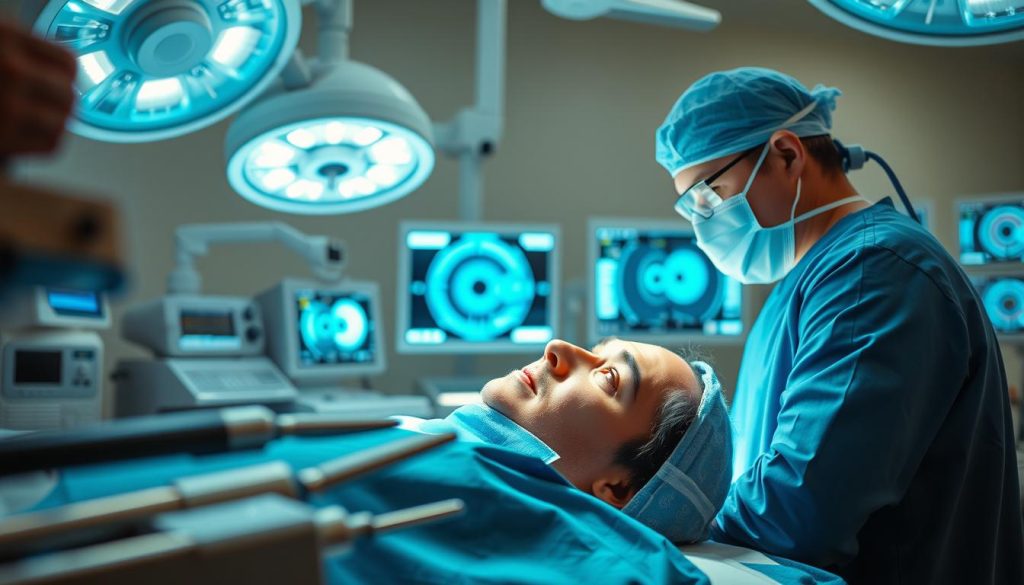
For those considering vision correction, understanding the corrective eye surgery procedure is crucial. Corrective eye surgery encompasses various techniques, including laser eye surgery, designed to improve vision by reshaping the cornea or replacing the lens.
Before Your Procedure: Preparation Steps
Before undergoing corrective eye surgery, patients must prepare by following specific steps. This includes a comprehensive eye examination to determine the suitability of the treatment and to tailor the procedure to the individual’s needs.
During the Procedure: What to Expect
During the laser eye surgery procedure, a thin flap is created in the cornea, which is then gently lifted to allow the laser to reshape the underlying tissue. The procedure is typically quick, lasting around 10-15 minutes per eye, with minimal discomfort due to anaesthetic drops.
- Modern corrective eye surgery procedures are typically quick, with the actual laser treatment often taking less than a minute per eye.
- Patients remain awake during the procedure but feel no pain due to numbing anaesthetic drops.
Recovery and Aftercare Following Corrective Eye Surgery

The journey to clear vision after corrective eye surgery involves a crucial recovery phase. After having laser eye surgery, you can usually go home the same day. Depending on the type of laser eye surgery you have, some people start to notice an improvement in their sight within 24-48 hours.
Immediate Post-Surgery Care
You’ll be able to return to your daily activities within a few days, although it’s recommended to avoid more strenuous activities and swimming for about a week after your surgery. It’s essential to follow the aftercare instructions provided by your doctor to ensure your eyes heal properly.
Long-term Vision Maintenance
To maintain optimal vision, several factors are crucial. Regular eye examinations are necessary to monitor your overall eye health. Some key considerations include:
- Using lubricating eye drops if you experience dry eyes after surgery.
- Wearing quality sunglasses to protect your eyes from UV damage.
- Maintaining good overall health through proper nutrition, hydration, and lifestyle choices.
By following these guidelines, you can help preserve the quality of your surgical results and enjoy long-term benefits from your laser eye surgery.
Are You a Suitable Candidate for Corrective Eye Surgery?
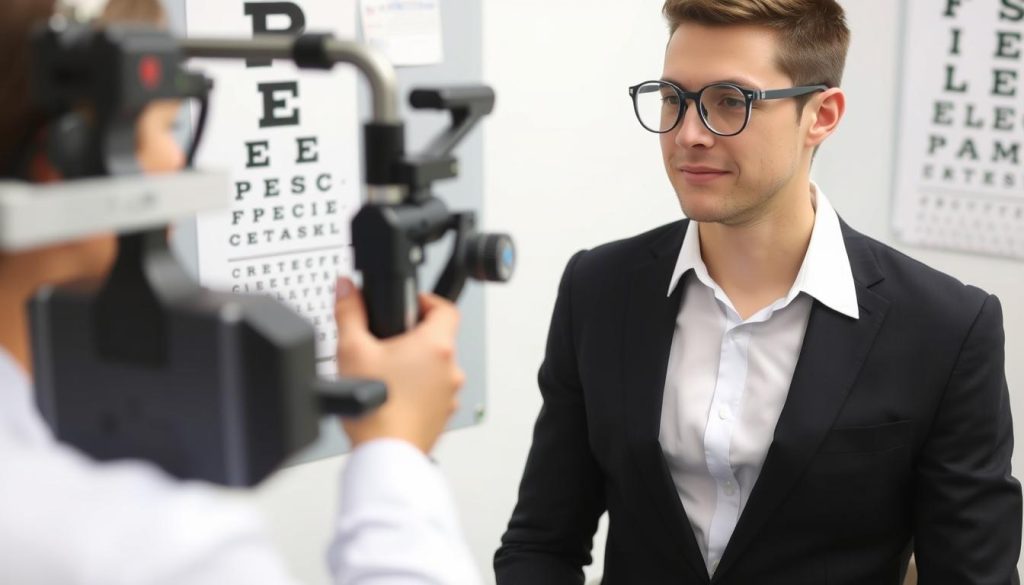
Determining your suitability for corrective eye surgery involves a comprehensive evaluation of your eye health. This assessment is crucial to ensure that the procedure is safe and effective for you.
Ideal Candidates: Who Benefits Most
Ideal candidates for corrective eye surgery are those with a stable prescription and overall good eye health. They are typically individuals seeking a long-term solution to their vision problems.
Conditions That May Affect Eligibility
Certain conditions may limit your eligibility for corrective surgery. These include:
- Specific eye conditions such as keratoconus, advanced glaucoma, cataracts, or retinal disorders.
- Systemic health conditions like uncontrolled diabetes or autoimmune diseases.
- Severe dry eye syndrome, which may require treatment before surgery.
- Insufficient corneal thickness, which is critical for laser procedures.
A comprehensive consultation is necessary to determine your suitability for presbyopia correction treatment.
Lifestyle Tips for Managing Presbyopia
Presbyopia, a natural part of ageing, can be managed through a variety of lifestyle changes and eye care practices. By making a few simple adjustments, individuals can significantly improve their quality of life and reduce the challenges associated with presbyopia.
Practical Daily Adjustments
Simple daily adjustments can make a significant difference in managing presbyopia. Ensuring proper lighting when reading or performing near tasks can reduce eye strain. Additionally, maintaining a healthy diet and staying hydrated supports overall eye health. For those who spend a lot of time on digital devices, following the 20-20-20 rule (every 20 minutes, look away from your screen and focus on something 20 feet away for 20 seconds) can help reduce eye fatigue.
Eye Exercises and Vision Training
Certain eye exercises can help maintain the flexibility of the focusing system and potentially slow presbyopia progression. Focus shifting exercises, where one alternates looking at near and far objects, can be beneficial. Convergence exercises strengthen the eye muscles, improving comfort during reading and near vision tasks. Practices like palming, which involves covering closed eyes with warmed palms, provide relaxation for tense eye muscles. While these exercises cannot reverse presbyopia, consistent practice may enhance visual comfort over time and support overall vision care.
Choosing the Right Eye Care Provider

When it comes to addressing presbyopia, the choice of eye care provider can significantly impact the outcome. It is essential to select a provider that offers comprehensive eye care services and has extensive experience in surgery and treatment options for presbyopia.
Questions to Ask During Your Consultation
During your consultation, it’s crucial to ask the right questions to ensure you’re in good hands. Consider asking about their experience with presbyopia correction procedures, the technology they use, and the range of services they offer.
- What experience do you have with presbyopia correction?
- What technology do you use for surgery and treatment?
What to Look for in an Eye Care Specialist
When evaluating an eye care specialist, consider their qualifications, the facilities they operate in, and the overall care they provide. Look for specialists with specific training and extensive experience in presbyopia correction procedures.
- Check for the latest technology and equipment.
- Evaluate the comprehensiveness of their services.
- Assess the cleanliness and professionalism of their facilities.
Conclusion: Taking the Next Step in Your Vision Journey
Presbyopia may be a natural part of ageing, but it no longer has to dictate our daily lives thanks to innovative laser eye surgery solutions. By contacting our team, you can take the first step towards a comprehensive consultation that assesses your unique vision needs.
Our clinic leverages advanced technology and the expertise of skilled surgeons to provide personalised presbyopia solutions. While the cost of corrective eye surgery varies, many people find it a worthwhile investment in their quality of life. For detailed pricing, please contact us directly.
- Modern corrective eye surgery options can significantly reduce dependence on reading glasses.
- Our experienced team is here to help you achieve clearer, more convenient vision at every distance.
Don’t let presbyopia limit your daily activities; book a consultation today to explore how we can help you.
Häufig gestellte Fragen
What is presbyopia and how does it affect vision?
Presbyopia is a natural age-related condition that affects our ability to focus on close objects. As we age, the lens in our lens becomes less flexible, making it harder to focus on things like reading materials or digital screens.
What are the available treatment options for presbyopia?
We offer various treatment options, including reading glasses, bifocals, contact lenses, laser vision correction, and lens replacement procedures. Our team will help you determine the best course of treatment for your specific needs.
How do I know if I’m a suitable candidate for laser eye surgery?
To determine your suitability for laser eye surgery, we consider factors such as the shape of your cornea, the severity of your presbyopia, and your overall eye health. We will assess your vision and discuss your options during a consultation.
What can I expect during the recovery process after surgery?
After surgery, we provide comprehensive aftercare to ensure a smooth recovery. You may experience some initial discomfort, but this typically subsides within a few days. We will provide guidance on post-operative care and schedule follow-up appointments to monitor your progress.
How can I maintain good vision and eye health after treatment?
To maintain good vision and eye health, we recommend regular eye examinations, a balanced diet rich in essential nutrients, and protecting your eyes from UV radiation. Our team will provide personalised advice on how to care for your eyes after treatment.
What should I look for when choosing an eye care specialist?
When selecting an eye care specialist, consider their qualifications, experience, and the range of services they offer. We recommend asking questions during your consultation to ensure you feel comfortable and confident in their care.