
PANCREAS SURGERIES
TREATMENT PROCESS

VIP Stay at Mandarin Grove Health and Wellness Retreat

TOTAL STAY
7 Nights

24/7 aftercare service including a bilingual chaperone to accompany you during your hospital stay.
Fully Registered Private Hospital
报错: 未找到这个表单
报错: 未找到这个表单
Pancreas Surgery
Pancreas surgery refers to a group of surgical procedures performed to treat diseases affecting the pancreas, including tumours, pancreatic cysts, chronic pancreatitis, and other structural abnormalities. The pancreas plays a vital role in digestion and blood sugar regulation by producing digestive enzymes and hormones such as insulin.
When medical treatment or minimally invasive therapies are not sufficient, surgery may be recommended to remove diseased tissue, improve pancreatic function, or treat serious conditions such as pancreatic cancer.
Pancreatic procedures are complex operations that require specialised surgical expertise and are typically performed in hospitals equipped with advanced imaging and surgical technologies.
What Is the Pancreas?
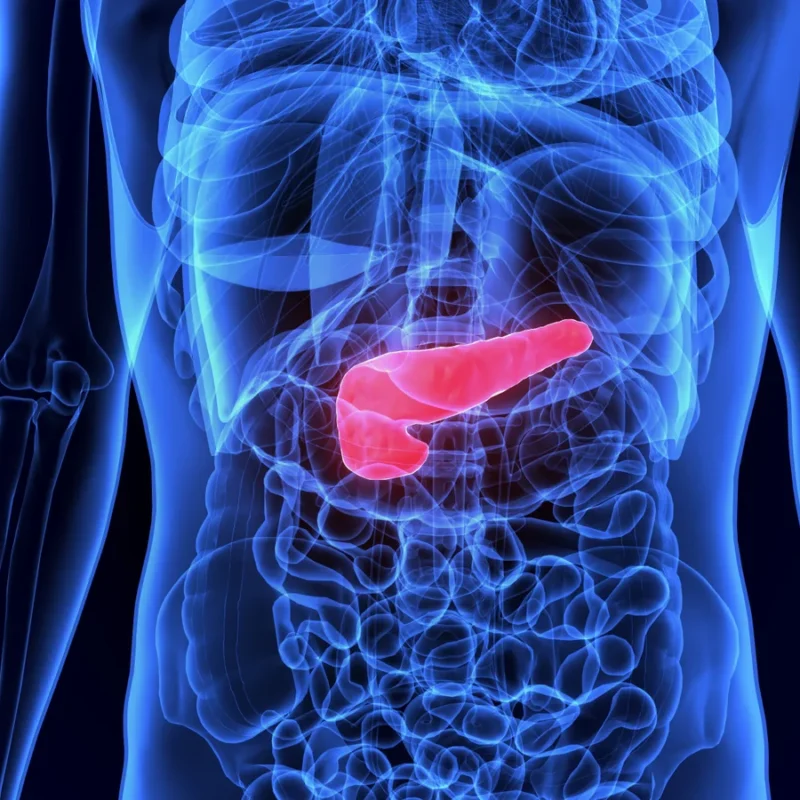
The pancreas is an organ located behind the stomach in the upper abdomen. It performs two major functions in the body.
Digestive Function
The pancreas produces enzymes that help break down:
-
Fats
-
Proteins
-
Carbohydrates
These enzymes are released into the small intestine during digestion.
Hormonal Function
The pancreas also produces hormones that regulate blood sugar levels, including:
-
Insulin
-
Glucagon
These hormones help maintain balanced glucose levels in the bloodstream.
Conditions That May Require Pancreas Surgery
Pancreatic surgery may be recommended for several medical conditions affecting the pancreas.
Common conditions include:
-
Pancreatic cancer
-
Pancreatic cysts or tumours
-
Chronic pancreatitis
-
Pancreatic neuroendocrine tumours
-
Pancreatic trauma or injury
-
Bile duct obstruction caused by pancreatic disease
The type of surgery performed depends on the location and severity of the condition.
Types of Pancreas Surgery
Several surgical procedures may be used to treat pancreatic conditions.
Whipple Procedure (Pancreaticoduodenectomy)
The Whipple procedure is one of the most common pancreatic surgeries. It involves removing:
-
The head of the pancreas
-
Part of the small intestine (duodenum)
-
The gallbladder
-
Part of the bile duct
-
Sometimes a portion of the stomach
After removal, the digestive tract is reconstructed so that digestion can continue normally.
Distal Pancreatectomy
In this procedure, the body and tail of the pancreas are removed. The spleen may also be removed depending on the disease.
Distal pancreatectomy is often used to treat tumours located in the tail or body of the pancreas.
Total Pancreatectomy
A total pancreatectomy involves removing the entire pancreas along with nearby structures in some cases.
After this surgery, patients require lifelong insulin therapy and enzyme replacement because the pancreas is no longer present.
Drainage Procedures for Chronic Pancreatitis
For certain cases of chronic pancreatitis, surgical procedures may be performed to relieve duct blockage and reduce pain.
Symptoms That May Indicate Pancreatic Disease
Symptoms vary depending on the underlying condition affecting the pancreas.
Possible symptoms include:
-
Persistent abdominal pain
-
Unexplained weight loss
-
Jaundice (yellowing of the skin and eyes)
-
Digestive problems
-
Nausea or vomiting
-
Fatigue or weakness
Medical evaluation is necessary if these symptoms persist.
Diagnostic Evaluation
Before pancreatic surgery, a thorough diagnostic assessment is required.
Diagnostic methods may include:
-
Blood tests
-
CT scan or MRI imaging
-
Endoscopic ultrasound (EUS)
-
Biopsy in some cases
These tests help determine the location, type, and severity of pancreatic disease.
The Pancreas Surgery Procedure
Step-by-Step Overview
-
Anaesthesia
Pancreatic surgery is performed under general anaesthesia. -
Surgical Access
The surgeon accesses the pancreas through an abdominal incision. -
Removal of Diseased Tissue
The affected portion of the pancreas and surrounding structures may be removed. -
Reconstruction
The digestive tract is reconstructed to maintain normal digestion. -
Closure and Monitoring
The surgical site is closed and the patient is monitored in recovery.
The duration of surgery depends on the type of procedure being performed.
Recovery After Pancreas Surgery
Recovery from pancreatic surgery typically requires close medical supervision.
Early Recovery
Patients may experience:
-
Abdominal discomfort
-
Temporary digestive changes
-
Fatigue during healing
-
Need for dietary adjustments
Hospital stays may vary depending on the complexity of the surgery.
Long-Term Recovery
Patients may need:
-
Enzyme supplements to aid digestion
-
Blood sugar monitoring
-
Nutritional support
-
Follow-up medical care
Recovery timelines differ based on the procedure and the patient’s overall health.
Possible Risks and Complications
As with any major surgical procedure, pancreatic surgery carries potential risks.
Possible complications may include:
-
Infection
-
Bleeding
-
Leakage from surgical connections
-
Digestive problems
-
Diabetes if pancreatic function is reduced
Experienced surgical teams and careful postoperative care help minimise these risks.
Pancreas Surgery in Turkey
Turkey has developed advanced capabilities in gastrointestinal and pancreatic surgery.
Patients may consider pancreas surgery in Turkey because of:
-
Experienced hepatobiliary and pancreatic surgeons
-
Modern hospital infrastructure
-
Advanced imaging and surgical technologies
-
Comprehensive diagnostic and treatment facilities
Consultation with a qualified surgical team is essential to determine the appropriate treatment plan.
Frequently Asked Questions (FAQ)
1. Is pancreas surgery a major operation?
Yes. Pancreatic surgery is considered a complex procedure and requires specialised surgical expertise.
2. How long does recovery take after pancreas surgery?
Initial recovery may take several weeks, while full recovery can take several months depending on the type of surgery.
3. Can people live without a pancreas?
Yes, but patients require lifelong insulin therapy and enzyme supplements after total pancreatectomy.
4. Is pancreas surgery used to treat cancer?
Yes. Surgery is often an important treatment option for certain types of pancreatic cancer.
5. Will digestion change after pancreas surgery?
Some patients may need enzyme supplements or dietary adjustments to support digestion.
Conclusion
Pancreas surgery is an advanced medical procedure used to treat a variety of pancreatic diseases, including tumours, cysts, and chronic inflammation. Depending on the condition, surgeons may remove part or all of the pancreas and reconstruct the digestive system to maintain function. Understanding the role of the pancreas, the surgical options available, and the recovery process helps patients make informed decisions when discussing treatment with healthcare professionals.
Medical Disclaimer: This content is provided for informational purposes only and should not be considered medical advice. Always consult a qualified healthcare professional regarding diagnosis and treatment options.
 English
  Afrikaans
  Albanian
  Russian
  German
  Swedish
  Spanish
  Romanian
  Portuguese
  Japanese
  Azerbaijani
  Chinese
  Dutch
Dutch  French
  German (Formal)
  Greek
Greek