





Cancer Treatments in Turkey
Cancer treatment involves a range of medical procedures and therapies designed to remove, control, or manage cancerous tumours in different parts of the body. Surgery is one of the most widely used treatment methods for many types of cancer, particularly when the disease is detected at an early or localised stage. Surgical procedures aim to remove malignant tissue while preserving as much healthy tissue as possible.
In Turkey, cancer treatments are provided within multidisciplinary oncology centres that combine surgical expertise with diagnostic imaging, pathology, oncology, and supportive care services. Surgical oncology plays a significant role in treating cancers of the digestive system, endocrine organs, and reproductive system. This article provides an overview of several surgical cancer treatments performed in Turkey, including colon cancer surgery, stomach cancer surgery, pancreas cancer surgery, thyroid cancer surgery, breast cancer surgery, liver cancer surgery, ovarian cancer surgery, and rectal cancer surgery.
Understanding Surgical Cancer Treatment
Surgical treatment for cancer involves the removal of tumours or affected organs to eliminate malignant cells from the body. The primary goal is to remove cancerous tissue completely while maintaining the function of surrounding structures.
Goals of Cancer Surgery
Cancer surgery may aim to:
Remove the primary tumour
Prevent cancer spread to nearby tissues
Relieve symptoms caused by tumour growth
Improve long-term survival when combined with other therapies
Surgery is often combined with additional treatments such as chemotherapy, radiotherapy, targeted therapy, or immunotherapy depending on the cancer type and stage.
Who Is Suitable for Cancer Surgery?
Suitability for cancer surgery depends on several factors related to the individual patient and the disease itself.
Key Factors Considered
Doctors evaluate:
Type and stage of cancer
Tumour size and location
Presence of metastasis (spread to other organs)
Overall health and medical history
Patient age and ability to tolerate surgery
Multidisciplinary teams consisting of oncologists, surgeons, radiologists, and pathologists typically review each case to determine the most appropriate treatment plan.
Diagnostic Evaluation Before Cancer Surgery
Before undergoing cancer treatment, patients usually undergo detailed diagnostic investigations.
Common Diagnostic Tests
These may include:
Blood tests and tumour markers
CT scans or MRI imaging
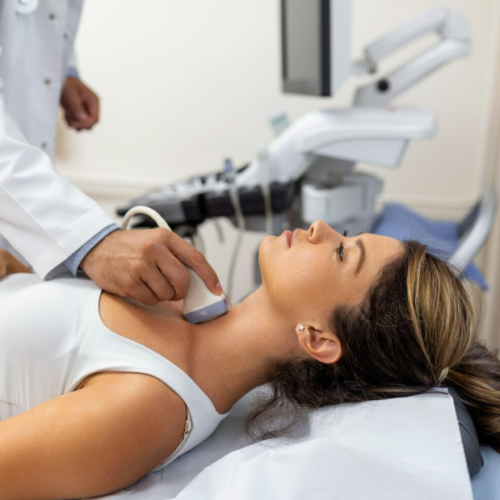
Ultrasound examinations
Endoscopy for gastrointestinal cancers
Biopsy to confirm cancer type
Accurate diagnosis allows physicians to determine the most effective surgical approach.
Colon Cancer Surgery in Turkey
Colon cancer develops in the large intestine and is one of the most commonly treated cancers with surgery.
Purpose of Colon Cancer Surgery
The aim of colon cancer surgery is to remove the portion of the colon containing the tumour along with nearby lymph nodes.
Common Procedures
Partial colectomy: Removal of the affected section of the colon
Hemicolectomy: Removal of the right or left side of the colon
Total colectomy: Removal of the entire colon in rare cases
Surgical Approach
Colon surgery may be performed using:
Open surgery
Laparoscopic minimally invasive techniques
Minimally invasive approaches may allow shorter hospital stays and faster recovery in selected patients.
Stomach Cancer Surgery in Turkey
Stomach cancer surgery, also known as gastrectomy, involves removing part or all of the stomach when cancer is present.
Types of Gastrectomy
Partial Gastrectomy
Removes the portion of the stomach containing the tumour
Remaining stomach is reconnected to the intestine
Total Gastrectomy
Removes the entire stomach
The oesophagus is connected directly to the small intestine
Lymph node removal is typically performed during surgery to assess cancer spread.
Pancreas Cancer Surgery in Turkey
Pancreatic cancer surgery is a complex procedure performed by specialised surgical teams.
Whipple Procedure (Pancreaticoduodenectomy)
The most common surgery for pancreatic cancer is the Whipple procedure.
Structures Removed
This operation may involve removing:
The head of the pancreas
Part of the small intestine
The gallbladder
Part of the bile duct
The digestive tract is then reconstructed to allow normal digestion.
Thyroid Cancer Surgery in Turkey
Thyroid cancer surgery focuses on removing cancerous tissue from the thyroid gland in the neck.
Types of Thyroid Surgery
Thyroid Lobectomy
Removal of one lobe of the thyroid
Often used for small or early-stage cancers
Total Thyroidectomy
Removal of the entire thyroid gland
Often recommended when cancer affects both lobes
Lymph node removal may also be performed if cancer spread is suspected.
Breast Cancer Surgery in Turkey
Breast cancer surgery is one of the most common cancer treatments worldwide.
Types of Breast Cancer Surgery
Lumpectomy
Removal of the tumour and a small margin of surrounding tissue
Breast shape is largely preserved
Mastectomy
Removal of the entire breast tissue
May be recommended for larger tumours or multiple tumour sites
Breast reconstruction surgery may be performed at the same time or later.
Liver Cancer Surgery in Turkey
Liver cancer surgery aims to remove cancerous tissue while preserving healthy liver function.
Surgical Options
Partial Hepatectomy
Removal of the portion of the liver containing the tumour
The remaining liver tissue continues to function
Liver Transplantation
In selected cases, liver transplantation may be considered
The liver has a unique ability to regenerate after partial removal.
Ovarian Cancer Surgery in Turkey
Ovarian cancer surgery plays a central role in both diagnosis and treatment.
Cytoreductive Surgery (Debulking Surgery)
The goal of ovarian cancer surgery is to remove as much visible tumour as possible.
Structures That May Be Removed
Ovaries
Fallopian tubes
Uterus
Nearby lymph nodes
Surrounding tissues affected by tumour spread
Reducing tumour size may improve the effectiveness of additional therapies.
Rectal Cancer Surgery in Turkey
Rectal cancer develops in the final portion of the large intestine and requires specialised surgical techniques.
Types of Rectal Cancer Surgery
Low Anterior Resection
Removes the cancerous section of the rectum
Remaining bowel is reconnected
Abdominoperineal Resection
Removal of the rectum and anus when the tumour is very low
A permanent colostomy may be required
Advanced surgical techniques aim to preserve bowel function whenever possible.
Step-by-Step Overview of Cancer Surgery
Although procedures vary depending on cancer type, surgical treatment generally follows a similar process.
Before Surgery
Patients undergo:
Comprehensive medical evaluation
Imaging studies to assess tumour spread
Anaesthesia consultation
Pre-operative preparation such as fasting
During Surgery
Typical surgical steps include:
Anaesthesia is administered
An incision is made to access the affected organ
Cancerous tissue and surrounding margins are removed
Nearby lymph nodes may be removed for examination
Reconstruction of affected organs may be performed
Surgical incisions are closed
The length of surgery varies depending on complexity.
Recovery Process After Cancer Surgery
Recovery depends on the type of surgery and overall patient health.
Tidig återhämtning
Monitoring in the hospital after surgery
Pain management with medication
Gradual return to eating and movement
Intermediate Recovery
Increasing physical activity
Follow-up imaging and pathology review
Possible additional treatments such as chemotherapy
Long-Term Recovery
Ongoing monitoring for recurrence
Rehabilitation or nutritional support when needed
Recovery timelines vary significantly depending on the procedure.
Risker och eventuella komplikationer
Cancer surgery carries risks similar to other major surgical procedures.
Possible Complications
Infektion
Blödning
Blood clots
Organ function changes
Delayed healing
Specific risks depend on the organ being treated and the complexity of the surgery.
Why Patients Consider Cancer Treatment in Turkey
International patients, including those from the United Kingdom, consider cancer treatments in Turkey for several healthcare-related reasons.
Common Considerations
Multidisciplinary oncology centres
Surgeons specialising in complex cancer procedures
Advanced imaging and diagnostic technologies
Availability of minimally invasive surgical techniques
Coordinated treatment plans involving surgery, chemotherapy, and radiotherapy
Turkey’s healthcare system supports integrated oncology care with specialised surgical teams.
Importance of Multidisciplinary Cancer Care
Cancer treatment typically involves collaboration between multiple medical specialists.
Members of the Oncology Team
Surgical oncologists
Medical oncologists
Radiation oncologists
Radiologists
Pathologists
Oncology nurses
This team-based approach helps ensure comprehensive treatment planning.
Vanliga frågor och svar (FAQ)
1. Is surgery the only treatment for cancer?
No. Surgery is often combined with other treatments such as chemotherapy, radiotherapy, targeted therapy, or immunotherapy.
2. How long does cancer surgery take?
The duration varies depending on the type of cancer and complexity of the procedure. Some surgeries take a few hours, while others may take longer.
3. Will cancer surgery cure the disease?
Surgery may remove localised tumours, but the outcome depends on cancer stage, type, and overall health.
4. How long is hospital stay after cancer surgery?
Hospital stays vary widely, ranging from a few days to several weeks depending on the procedure.
5. Are minimally invasive techniques available for cancer surgery?
In many cases, laparoscopic or robotic techniques may be used when appropriate.
6. What happens after cancer surgery?
After surgery, doctors review pathology results and determine whether additional treatments are required.
Medicinsk ansvarsfriskrivning: Informationen i denna artikel är endast avsedd som allmän information och ska inte betraktas som medicinsk rådgivning. Rådgör alltid med kvalificerad sjukvårdspersonal innan du fattar några medicinska beslut.
[/vc_column_text][/vc_column][/vc_row]

 English
  Afrikaans
  Albanian
  Russian
  German
  Swedish
  Spanish
  Romanian
  Portuguese
  Japanese
  Azerbaijani
  Chinese
  Dutch
Dutch  French
  German (Formal)
  Greek
Greek