
HEARING AID SOLUTIONS
Hearing Aid Solutions in Turkey
Hearing aid solutions encompass the assessment, selection, fitting, and ongoing support for devices designed to improve hearing ability in individuals with hearing loss. Hearing loss can affect people of all ages and can result from ageing, noise exposure, illness, genetics, or injury. Proper hearing aid solutions aim to enhance hearing clarity, speech understanding, and overall quality of life.
In Turkey, hearing aid solutions are provided in audiology clinics and specialised hearing centres by trained audiologists. These solutions include comprehensive hearing evaluations, personalised device selection, professional fitting and tuning, and structured follow-up care. This article offers an educational overview of hearing aid solutions in Turkey, including types of devices, candidacy, fitting process, aftercare, common benefits, limitations, and why international patients may consider Turkey for hearing care.
What Are Hearing Aid Solutions?
Hearing aid solutions involve a complete care pathway that supports individuals with hearing loss from diagnosis through treatment and maintenance. These solutions are tailored to individual hearing profiles and lifestyle needs.
A typical hearing aid solution includes:
-
Audiological evaluation
-
Device selection and customisation
-
Fitting and calibration
-
User education
-
Follow-up assessments and adjustments
Understanding Hearing Loss
Hearing loss can be categorised into:
-
Sensorineural hearing loss: damage to inner ear or auditory nerve
-
Conductive hearing loss: problems in outer or middle ear
-
Mixed hearing loss: a combination of both types
Each type has specific treatment considerations, and audiological assessment determines the most appropriate solution.
Who May Be Suitable for Hearing Aids?
Hearing aid solutions are suitable for individuals who:
-
Experience difficulty hearing speech in quiet or noisy environments
-
Miss parts of conversations
-
Feel ears are “blocked” or muffled
-
Have documented hearing loss on audiometry
-
Want to improve communication and life participation
A hearing assessment by a licensed audiologist is essential to confirm the need.
Diagnostic and Assessment Process
Comprehensive Audiological Evaluation
A hearing assessment typically includes:
-
Pure tone audiometry: measures hearing thresholds
-
Speech audiometry: evaluates understanding of speech
-
Tympanometry: checks middle ear function
-
Otoacoustic emissions: assesses inner ear hair cell function (when indicated)
These tests help determine the type, degree, and configuration of hearing loss.
Types of Hearing Aids
Hearing aids vary in design, technology, and functionality. Common categories include:
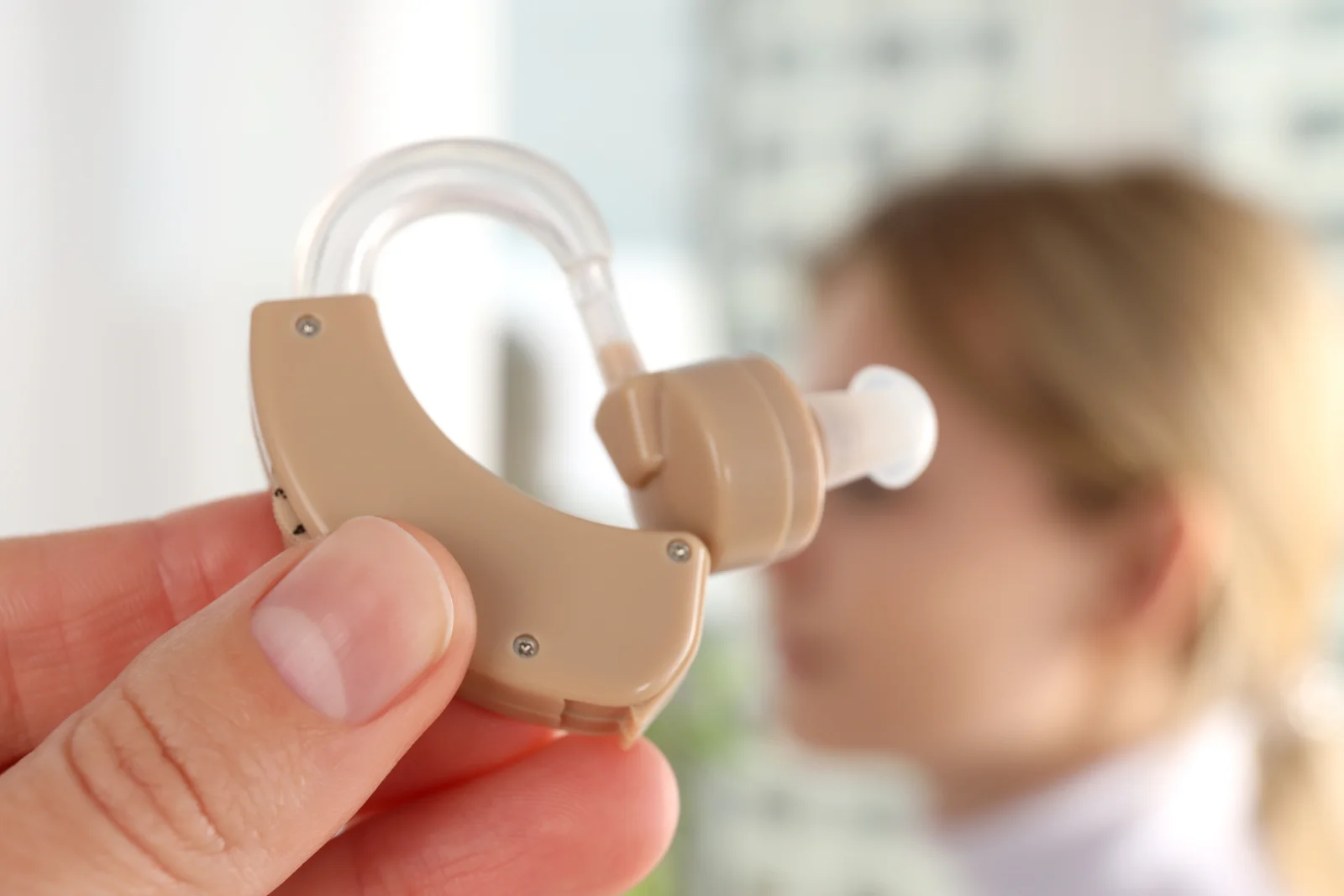
Behind-The-Ear (BTE) Aids
-
Sit behind the ear with a tube and earmold
-
Suitable for mild to profound hearing loss
-
Easy to handle and maintain
Receiver-In-Canal (RIC) / Receiver-In-Ear (RIE)
-
Small, discreet design
-
Receiver sits inside the ear canal
-
Often good for mild to severe loss
In-The-Ear (ITE) Aids
-
Custom-molded to fit the outer ear
-
Suitable for mild to severe loss
In-The-Canal (ITC) and Completely-In-Canal (CIC)
-
Smaller, more discreet
-
Best for mild to moderate loss
Rechargeable and Bluetooth-Enabled Devices
-
Modern features such as wireless connectivity
-
Smartphone integration and streaming
Device selection depends on hearing profile, dexterity, cosmetic preference, and lifestyle.
Fitting and Customisation
Ear Impressions
Custom earmolds or shells for in-ear devices may be created from ear impressions.
Programming and Calibration
-
Hearing aids are programmed to match individual audiograms
-
Fine-tuning ensures clarity and comfort
Real-World Listening Adjustments
Follow-up visits help refine settings based on daily use and environments.
Aftercare and Support
Ongoing support is essential for successful outcomes.
Common Aftercare Services
-
Routine hearing check-ups
-
Device cleaning and maintenance
-
Battery or charging support
-
Re-programming for changing hearing needs
-
Tinnitus management (when applicable)
Periodic follow-ups help monitor hearing over time.
Expected Benefits
Hearing aid solutions may provide:
-
Improved understanding of speech
-
Better participation in social activities
-
Enhanced safety awareness (e.g., environmental sounds)
-
Reduced listening effort and fatigue
-
Improved quality of life
Results vary depending on individual hearing loss and device selection.
Limitations and Considerations
Hearing aids are not a cure for all types of hearing loss. Limitations can include:
-
Adjustment period for new users
-
Background noise handling may vary by technology level
-
Cost considerations for advanced features
-
Periodic device upgrades may be needed over time
A detailed consultation helps set realistic expectations.
Risks and Possible Complications
Hearing aid use is generally safe, but potential issues include:
-
Discomfort or irritation
-
Feedback or whistling sounds
-
Earwax blockage affecting performance
-
Perceived insufficient benefit (may require adjustment)
Working with a qualified audiologist reduces the risk of persistent issues.
Why Patients Consider Hearing Aid Solutions in Turkey
Turkey is increasingly recognised for comprehensive hearing care.
Common reasons patients consider hearing aid solutions in Turkey include:
-
Experienced audiologists and hearing specialists
-
Modern audiological equipment and testing protocols
-
Access to a wide range of hearing aid technologies
-
Structured patient support and aftercare pathways
International patients can arrange consultations and follow-ups within coordinated care programmes.
Frequently Asked Questions (FAQ)
1. How do I know if I need hearing aids?
A hearing assessment by an audiologist, including audiometry, confirms the presence and degree of hearing loss.
2. Are hearing aids comfortable?
Modern devices are designed for comfort, though an adaptation period is common.
3. How long do hearing aids last?
With proper care, modern hearing aids typically last 3–7 vjeç.
4. Can hearing aids be repaired?
Yes, most issues can be resolved with professional service and maintenance.
5. Will hearing aids restore normal hearing?
Hearing aids improve hearing ability but do not restore normal hearing; the degree of improvement depends on individual factors.
Përfundim
Hearing aid solutions in Turkey offer a complete care pathway for individuals with hearing loss, from detailed assessment and personalised device selection to fitting, calibration, and ongoing support. Effective hearing solutions enhance communication, participation, and quality of life. Understanding the types of devices, fitting process, aftercare requirements, and limitations allows individuals to make informed decisions. When provided by qualified specialists in structured clinical environments, hearing aid solutions can deliver meaningful improvements in daily hearing function.
Medical Disclaimer: The information provided in this article is for general informational purposes only and should not be considered medical advice. Always consult a qualified healthcare professional before making any medical decisions.
 English
  Afrikaans
  Albanian
  Russian
  German
  Swedish
  Spanish
  Romanian
  Portuguese
  Japanese
  Azerbaijani
  Chinese
  Dutch
Dutch  French
  German (Formal)
  Greek
Greek