
Gum Disease Treatment in Turkey


エラー: お問い合わせフォームが見つかりません。.
エラー: お問い合わせフォームが見つかりません。.
Gum Disease Treatment in Turkey
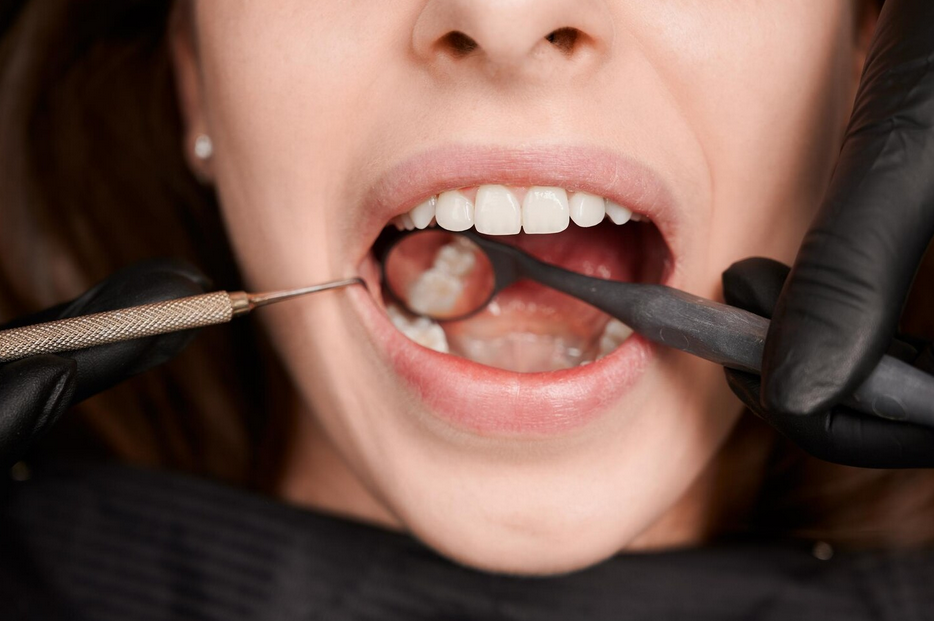
Gum disease treatment focuses on diagnosing, managing, and controlling conditions that affect the gums and supporting structures of the teeth. Gum disease—also known as periodontal disease—ranges from mild gum inflammation to advanced infection that can lead to tooth loss if left untreated. Early diagnosis and appropriate treatment are essential to protect oral health and prevent long-term complications.
In Turkey, gum disease treatment is provided by experienced dentists and periodontists using evidence-based periodontal protocols and modern clinical technologies. This article offers a detailed, educational overview of gum disease treatment in Turkey, including causes, treatment options, recovery expectations, risks, and why international patients seek periodontal care.
What Is Gum Disease?
Gum disease is an inflammatory condition caused by the accumulation of plaque and bacteria around the teeth and gums. If not adequately removed, plaque hardens into tartar, triggering an immune response that damages gum tissue and, in advanced stages, the underlying bone.
Gum disease develops in stages, and treatment depends on the severity and progression of the condition.
Stages of Gum Disease
Gingivitis
-
Early and reversible stage
-
Red, swollen, or bleeding gums
-
No bone loss
Periodontitis
-
Advanced stage
-
Gum recession and deep pockets
-
Bone loss around teeth
-
Risk of tooth mobility and tooth loss
Early intervention prevents progression to advanced disease.
Common Symptoms of Gum Disease
Patients with gum disease may experience:
-
Bleeding gums when brushing or flossing
-
Swollen, red, or tender gums
-
Persistent bad breath
-
Gum recession or longer-looking teeth
-
Tooth sensitivity
-
Loose or shifting teeth (advanced cases)
Some patients may have minimal symptoms despite active disease.
Causes and Risk Factors
Gum disease is influenced by multiple factors, including:
-
Poor oral hygiene
-
Smoking or tobacco use
-
Genetic predisposition
-
Hormonal changes
-
Diabetes and systemic conditions
-
Certain medications causing gum overgrowth
Addressing risk factors is a key part of treatment.
Diagnostic Assessment
Accurate diagnosis is essential for effective treatment planning.
通常、査定には以下が含まれる。
-
Clinical gum examination
-
Measurement of periodontal pocket depth
-
Dental X-rays to assess bone loss
-
Medical and dental history review
International patients may begin with online consultation before in-person assessment in トルコ.
Gum Disease Treatment Options
Treatment depends on disease stage and severity.
Non-Surgical Gum Disease Treatment
Scaling and Root Planing
Scaling and root planing is the most common non-surgical periodontal treatment.
What it involves:
-
Removal of plaque and tartar from above and below the gum line
-
Smoothing of tooth roots to discourage bacterial attachment
This treatment helps gums reattach to teeth and reduces inflammation.
Adjunctive Therapies
In selected cases, additional measures may be used:
-
Antibacterial mouth rinses
-
Local antibiotic therapy
-
Laser-assisted periodontal treatment
These therapies support healing and infection control.
Surgical Gum Disease Treatment
Surgery may be recommended for advanced periodontitis.
Periodontal Flap Surgery
-
Gums are gently lifted to remove deep plaque and tartar
-
Tissue is repositioned to reduce pocket depth
Bone Grafting and Regeneration
-
Used when bone loss has occurred
-
Helps support tooth stability
Gingivectomy
-
Removal of diseased or excess gum tissue
Surgical options aim to stabilise the condition and preserve teeth.
Treatment Timeline and Sessions
-
Mild disease may be treated in 1–2 sessions
-
Moderate to advanced disease may require staged treatment
-
Regular follow-up is essential to monitor healing
Treatment plans are tailored to individual needs.
Recovery and Aftercare
Recovery depends on the type of treatment performed.
General Aftercare Guidelines
-
Maintain excellent oral hygiene
-
Follow dietary advice if provided
-
Use prescribed mouth rinses or medications
-
Attend follow-up appointments
Most patients resume normal activities quickly after non-surgical treatment.
リスクと合併症の可能性
Gum disease treatment is generally safe, but potential risks include:
-
Temporary gum sensitivity
-
Mild discomfort or swelling
-
出血
-
Infection (rare)
Adherence to aftercare instructions reduces risks.
Long-Term Maintenance and Prevention
Gum disease requires ongoing management.
Maintenance Strategies Include
-
Regular professional cleanings
-
Daily brushing and flossing
-
Smoking cessation
-
Management of systemic conditions
Long-term periodontal maintenance is crucial to prevent recurrence.
Why Patients Consider Gum Disease Treatment in Turkey
Turkey is a recognised destination for periodontal care.
Common reasons patients consider gum disease treatment in トルコ を含む:
-
Experienced periodontists and dental teams
-
Modern clinics and diagnostic technology
-
Structured treatment planning
-
Integrated care for international patients
よくある質問(FAQ)
1. Is gum disease reversible?
Gingivitis is reversible; advanced periodontitis can be controlled but not fully reversed.
2. Is gum disease treatment painful?
Discomfort is usually mild and managed with local anaesthesia.
3. How long does treatment take?
This depends on disease severity and treatment type.
4. Can gum disease return?
Yes, without proper maintenance and oral hygiene.
5. Does gum disease affect overall health?
Yes, it has been linked to systemic health conditions.
結論
Gum disease treatment in Turkey provides structured, evidence-based care aimed at controlling infection, preserving teeth, and supporting long-term oral health. By addressing gum disease at its source and tailoring treatment to disease severity, periodontal therapy can prevent progression and improve quality of life. Understanding treatment options, recovery expectations, and maintenance requirements allows patients to make informed decisions. When managed by experienced dental professionals, gum disease can be effectively controlled with lasting benefits.
医療上の免責事項 本記事で提供される情報は、一般的な情報提供のみを目的としたものであり、医学的アドバイスとみなされるべきものではありません。医学的な判断を下す前に、必ず資格を有する医療専門家にご相談ください。.
 English
  Afrikaans
  Albanian
  Russian
  German
  Swedish
  Spanish
  Romanian
  Portuguese
  Japanese
  Azerbaijani
  Chinese
  Dutch
Dutch  French
  German (Formal)
  Greek
Greek