
When Can I return to Normal Activities After Facelift?
Return to normal activities after facelift operation is a highly concerned topic. Embarking on a journey toward facial rejuvenation is an exciting decision. You likely feel eager to see your refreshed appearance, yet the healing process requires patience and care. Understanding the essential timeline for your recovery helps you manage expectations while you prioritise your long-term health.
Finding the right balance between rest and gentle movement is vital for achieving the best results. Many patients worry about how quickly they can resume their daily routines. We will explore how to return to normal after facelift surgery by following a steady, guided approach. This transition period is a unique phase that allows your body to mend effectively.
Our guide provides a friendly overview of what you might experience during those initial weeks. By preparing properly, you can navigate your post-operative period with confidence and ease. Let us help you plan your path toward a vibrant, rejuvenated look while ensuring your comfort remains the top priority.
Key Takeaways
-
- Prioritise rest during the first week to support natural healing processes.
- Follow your surgeon’s advice to minimise swelling and bruising effectively.
- Gradually reintroduce light activities to avoid unnecessary strain on your incisions.
- Monitor your progress closely and report any unusual symptoms to your clinic.
- Maintain realistic expectations as your final results will continue to improve over several months.
Understanding the Facelift Procedure
A facelift remains one of the most effective ways to address the visible signs of ageing. By repositioning underlying tissues and smoothing the skin, this surgery helps individuals achieve a more youthful and vibrant appearance.
What Is a Facelift?
When asking what is facelift surgery, it is helpful to view it as a comprehensive approach to facial rejuvenation. The surgeon typically makes discreet incisions, often hidden within the hairline or natural contours of the ear, to access the deeper layers of muscle and fat.
By tightening these structures, the surgeon can effectively lift sagging areas and remove excess skin. These procedure details are vital because they ensure the final result looks natural rather than overly tight or artificial.
Common Reasons for Deciding on a Facelift
Many patients seek this surgery to regain the confidence they feel on the inside. There are several common reasons for deciding on a facelift that motivate people to consult with a specialist.
Most individuals choose to address specific concerns that develop as the skin loses its natural elasticity over time. These often include:
-
- The development of prominent jowls along the jawline.
- Deep creases or folds running from the nose to the corners of the mouth.
- Loose or sagging skin in the neck area.
- A loss of definition in the cheeks and mid-face.
Addressing these areas can provide a significant boost to your self-esteem. By understanding the surgical goals, you can better prepare for your journey toward a refreshed and rejuvenated look.
The Recovery Timeline After a Facelift
Knowing exactly what to expect during your facelift recovery journey helps you prepare for a smooth transition back to your daily life. While every individual heals at a different pace, having a clear roadmap allows you to manage your schedule and expectations with confidence.
Initial Recovery Period
The first few days following your surgery are dedicated to rest and gentle care. You will likely feel some tightness or mild discomfort, which is a normal part of the healing process as your body begins to repair itself.
During this phase, keeping your head elevated is essential to help minimise fluid accumulation. Most patients find that they need to take a week off from work to focus entirely on their comfort and early healing.
Understanding Swelling and Bruising
Swelling and bruising are common side effects that occur as your tissues respond to the procedure. These symptoms typically peak within the first few days before gradually subsiding over the following two weeks.
To manage these effects comfortably at home, consider these simple strategies:
-
- Apply cold compresses gently to the affected areas as directed by your surgeon.
- Avoid strenuous activities that could increase blood pressure and worsen swelling.
- Stay hydrated and maintain a healthy, low-sodium diet to support your body.
Remember that patience is your best ally during this time. While the appearance of bruising might seem concerning, it is a temporary stage of your facelift recovery that will fade as your skin settles.
When to Expect Visible Results
While you may notice improvements shortly after the initial swelling decreases, the final contours of your face take time to emerge. It is common for deep tissues to continue settling for several months after the operation.
Most patients begin to feel comfortable returning to social events around the three-week mark, once the majority of bruising has resolved. By staying consistent with your post-operative care, you ensure that your facelift recovery leads to the most natural and long-lasting results possible.
Factors Influencing Recovery
Your path to rejuvenation is shaped by a combination of your physical health and the specific techniques chosen by your surgeon. Every individual heals at a different pace, and understanding these variables helps you set realistic expectations for your post-operative journey.
Age and Health Considerations
Your overall health plays a pivotal role in how quickly your body repairs tissues after surgery. Younger patients often possess higher skin elasticity, which can lead to a faster initial recovery phase. However, patients of all ages can achieve excellent results by maintaining a stable weight and managing underlying conditions like hypertension or diabetes.
Type of Facelift Technique Used
The complexity of your procedure directly dictates the length of your downtime. A traditional full facelift involves more extensive tissue manipulation than a mini-facelift or a thread lift. Choosing the right approach with your surgeon ensures that the level of invasiveness aligns with your aesthetic goals and your ability to take time off work.
Lifestyle Factors
Your daily habits are just as important as the surgery itself. Smoking is strongly discouraged, as it restricts blood flow and significantly slows down the healing of incisions. Conversely, a diet rich in protein and vitamins supports your immune system and promotes faster tissue regeneration.
When considering your options, many patients weigh the benefits of a facelift in UK vs Turkey. While local care offers the comfort of proximity, many people ask why choose Turkey for their procedure. The answer often lies in the combination of high-quality surgical expertise and comprehensive, all-inclusive recovery packages that many clinics provide.
| Feature | Local Surgery (UK) | Medical Tourism (Turkey) |
| Post-op Support | Immediate access to local clinic | Dedicated concierge and hotel care |
| Travel Requirements | Minimal travel needed | Requires international flights |
| Cost Structure | Often higher, inclusive of local taxes | Competitive, often package-based |
| Follow-up Care | Easy to schedule in-person visits | Remote monitoring or local partners |
-
- Prioritise hydration to reduce swelling.
- Avoid strenuous activity for the first few weeks.
- Follow all personalised advice from your medical team.
Typical Recovery Expectations
Navigating the days following your procedure requires a clear understanding of what to expect during your healing journey. Whether you are recovering locally or travelling abroad, knowing the standard milestones is essential for a smooth and safe experience. By preparing for these common phases, you can focus entirely on your rejuvenation.
Pain Management and Discomfort
Most patients find that discomfort is manageable with prescribed medication and proper rest. It is normal to experience tightness or mild aching as your tissues begin to settle into their new position. Prioritising rest during the first few days is the most effective way to minimise these sensations.
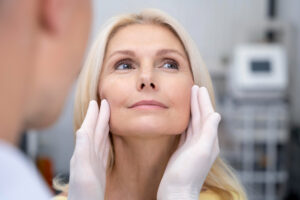
For those planning their procedure abroad, following a Turkey recovery step by step guide can help you stay organised. This approach ensures you have the right supplies, such as cold compresses and elevation pillows, ready before you even arrive at your destination.
“Effective pain management is not just about medication; it is about creating an environment where your body can focus its energy on healing rather than stress.”
The Role of Follow-Up Appointments
Regular medical check-ups are vital to ensure your recovery progresses as expected. These appointments allow your surgeon to monitor your healing, remove any necessary sutures, and address any concerns early on. Consistency is key to achieving the best possible aesthetic outcome.
When considering your facelift stay duration recovery, it is important not to rush your return home. Surgeons typically recommend a specific timeframe to ensure you are stable enough for travel. Following this facelift stay duration recovery advice prevents unnecessary complications and ensures you are fully supported by your medical team.
If you are travelling, your Turkey recovery step by step plan should include these essential check-up milestones:
-
- Day 1-2: Initial assessment and dressing change.
- Day 5-7: Suture removal and evaluation of incision sites.
- Final Check: Clearance for travel and long-term care instructions.
Always remember that your surgeon is your best resource during this time. Never hesitate to reach out if you have questions about your progress or if you feel something is not quite right.
Post-Operative Care Tips
Navigating the healing process becomes much simpler when you follow professional guidance aftercare facelift protocols closely. Your surgeon provides a tailored plan designed to minimise risks and support your body’s natural repair mechanisms. By adhering to these specific steps, you ensure that your recovery remains on the right track.
Importance of Following Surgeon’s Instructions
The primary goal during the initial weeks is to keep your incisions clean and free from irritation. You must avoid touching the surgical sites unnecessarily to prevent potential infections. Consistency is key when it comes to changing dressings or applying prescribed ointments.
Protecting your skin from direct sun exposure is equally vital for achieving a smooth, well-healed result. Ultraviolet rays can cause permanent discolouration of healing scars, making them more visible over time. Always wear a wide-brimmed hat or stay in the shade until your surgeon confirms it is safe to resume normal sun exposure.
Recommended Skincare Products
Once your incisions have closed, your skin will likely feel sensitive and require extra hydration. It is best to choose fragrance-free moisturisers that do not contain harsh chemicals or active anti-ageing ingredients. These gentle formulas help maintain the skin barrier without causing unwanted inflammation.
Incorporating a high-SPF sunscreen into your daily routine is the most effective way to protect your investment. Look for mineral-based options that are specifically labelled as non-comedogenic to avoid clogging your pores. Following this guidance aftercare facelift strategy will help your results last as long as possible.
| Care Category | Recommended Action | Nutzen Sie |
| Incision Care | Keep clean and dry | Prevents infection |
| Sun Protection | Use SPF 30+ daily | Reduces scar visibility |
| Hydration | Fragrance-free lotion | Soothes sensitive skin |
| Activity | Follow surgeon’s plan | Promotes optimal healing |
Resuming Daily Activities
Returning to your professional and social commitments is a significant milestone in your recovery journey. While you may feel eager to resume your normal life, it is important to listen to your body and follow your surgeon’s specific advice. Patience is your best tool during this phase of healing.
Returning to Work and Social Events
The timeline for returning work after facelift surgery varies depending on the physical demands of your role. Most patients find they can return to desk-based jobs within two weeks, though you may still have some residual swelling or bruising that requires camouflage makeup.
If your job involves heavy lifting or strenuous physical activity, you will likely need to wait longer. It is wise to discuss your specific duties with your surgeon to ensure you do not compromise your results. When it comes to social events, consider starting with small, low-key gatherings before jumping back into a busy calendar.
Guidelines for Light Exercise
Gentle movement is highly encouraged to support your recovery process. Light exercise, such as a slow, steady walk around your home or a quiet neighbourhood, helps improve circulation and reduces the risk of complications.
However, you must avoid any activity that increases your heart rate or blood pressure significantly. Overexertion can lead to increased swelling or discomfort, which may delay your progress. Always prioritise rest if you feel tired or notice any unusual sensations.
-
- Start with short, five-minute walks.
- Avoid bending over or lifting heavy objects.
- Listen to your body and stop if you feel any strain.
| Activity Type | Recommended Timing | Key Precaution |
| Desk Work | 10–14 Days | Manage swelling with rest |
| Light Walking | Days 3–5 | Keep pace slow and steady |
| Social Outings | 2–3 Weeks | Avoid crowded environments |
| Strenuous Exercise | 4–6 Weeks | Consult your surgeon first |
When to Reintroduce Physical Activities
Understanding the right moment to resume movement is essential for achieving the best aesthetic results. While you may feel ready to jump back into your routine, your body requires a careful and measured approach to ensure proper healing. Rushing into intense movement can lead to unwanted complications like increased swelling or elevated blood pressure.
Activities to Avoid Initially
During the first few weeks, your primary focus should be on rest and recovery. Certain movements can put unnecessary strain on your incisions and interfere with the delicate healing process. You must avoid any activity that increases your heart rate significantly or requires physical exertion.
Specifically, you should steer clear of the following during your early recovery phase:
-
- Heavy lifting or strenuous chores that require significant physical effort.
- Bending over at the waist, which can increase pressure in the facial tissues.
- High-impact sports or activities that involve sudden movements or potential contact.
Avoiding these actions is a critical part of returning exercise after facelift surgery safely. By protecting your surgical sites, you allow your body to focus its energy on tissue repair rather than managing inflammation.
Gradual Return to Exercise
Once your surgeon provides the green light, you can begin to reintroduce light movement into your daily life. A gentle walk is often the best way to start, as it promotes circulation without placing excessive stress on your body. This slow transition is vital when returning gym after facelift routines to ensure you do not compromise your results.
Listen closely to your body as you increase your activity levels. If you notice any throbbing, increased swelling, or discomfort, it is a clear sign that you should scale back immediately. Returning exercise after facelift should be a progressive journey rather than a race to your previous intensity.
Always consult with your medical team before returning gym after facelift sessions, as they can provide a timeline tailored to your specific recovery progress. Patience during this phase is a small price to pay for long-lasting, beautiful results.
Recognising Complications
Recognising the early warning signs of complications can make a significant difference in your recovery success. While most patients experience a straightforward healing process, staying informed is a key part of being a proactive patient. By keeping a close watch on your progress, you ensure that any minor concerns are addressed before they become larger issues.
Signs of Infection or Other Issues
It is normal to experience some swelling and bruising after your procedure. However, you should be aware of specific symptoms that fall outside the expected range of recovery. If you notice these changes, it is important to take them seriously.
-
- Persistent redness that seems to be spreading or worsening over time.
- A feeling of excessive warmth or tenderness around the incision sites.
- Unexplained fever or chills that occur several days after your surgery.
- Sudden, sharp pain that does not improve with your prescribed medication.
- The presence of a haematoma, which may appear as a firm, painful swelling under the skin.
- Any unusual discharge or foul odour coming from the surgical area.
When to Contact Your Surgeon
You should never hesitate to reach out to your medical team if you feel something is not right. Your surgeon and their staff are there to support you through every stage of your recovery. Clear communication is the most effective way to manage your health and ensure a safe outcome.
Contact your clinic immediately if you experience any of the symptoms listed above or if you simply feel anxious about your progress. It is always better to have a quick check-up for peace of mind than to wait and worry. Remember that your surgeon prefers to be kept informed about any unexpected developments during your healing journey.
Long-Term Results and Maintenance
Achieving a youthful look is only the beginning of your aesthetic journey. While surgery provides a significant transformation, the way you manage your lifestyle afterwards determines how long those benefits last. Consistency is the key to ensuring your face remains vibrant and refreshed for years to come.
Setting Realistic Expectations
It is vital to understand that a facelift does not stop the natural ageing process. Instead, it effectively turns back the clock, giving you a fresh starting point. Managing your expectations helps you appreciate the subtle changes that occur as time passes.
Most patients find that their results remain visible for a decade or longer. However, factors like genetics and environmental exposure continue to influence your skin. By accepting that your appearance will evolve, you can focus on healthy habits that support your surgical investment.
Ongoing Skincare Routine
A robust skincare regimen is essential for protecting your results. You should prioritise daily hydration and high-quality sun protection to prevent premature skin damage. Consistent use of SPF is the single most effective way to maintain your skin’s elasticity and tone.
Beyond daily habits, consider incorporating professional treatments such as chemical peels or light therapy. These procedures help refine skin texture and boost collagen production. Always consult with your practitioner to ensure these treatments complement your surgical outcome.
When planning your journey, many patients weigh the financial aspects of their procedure and future maintenance. The following table provides a general overview of the typical costs UK and Turkey to help you budget effectively.
| Service Category | Average UK Costs | Average Turkey Costs |
| Facelift Procedure | Higher Investment | Competitive Pricing |
| Follow-up Care | Included in Package | Often Separate |
| Maintenance Treatments | Premium Rates | Affordable Options |
Ultimately, whether you choose to have your procedure locally or abroad, the long-term success depends on your dedication. Investing in your skin today ensures that you continue to feel confident and radiant well into the future.
Emotional Considerations After Surgery
While the physical transformation of a facelift is often the primary focus, the emotional journey is equally vital. It is common for patients to experience a wide range of feelings as their bodies heal and their new appearance begins to emerge. Recognising that your mental state is part of the recovery process can help you navigate this period with greater ease.
Managing Expectations for Mental Well-Being
Many individuals encounter what is often called the “post-op blues” during the initial weeks of recovery. This temporary dip in mood is a normal reaction to the stress of surgery, the effects of anaesthesia, and the frustration of limited mobility. Patience is your most valuable tool during this time, as your body requires significant energy to repair tissues.
It is helpful to remember that your final results will not be visible immediately due to residual swelling. Try to focus on small, daily improvements rather than comparing your current state to your ideal outcome. Maintaining a gentle and compassionate perspective toward yourself will foster a much healthier psychological environment for healing.
Support Systems During Recovery
Building a reliable support network is essential for a smooth transition back to your normal routine. Whether you rely on close family members, trusted friends, or online communities, having people to talk to can make a world of difference. Sharing your experiences with others who have undergone similar procedures often provides comfort and validation.
Do not hesitate to ask for help with daily chores or errands during the first few days. Allowing others to assist you reduces physical strain and frees up your mental energy for rest and recovery. The following table outlines key strategies to maintain your emotional balance throughout the healing journey.
| Strategy | Action Item | Nutzen Sie |
| Mindful Rest | Prioritise sleep and quiet time | Reduces stress and fatigue |
| Social Connection | Reach out to supportive friends | Prevents feelings of isolation |
| Realistic Goal Setting | Focus on daily recovery milestones | Boosts confidence and morale |
| Professional Guidance | Communicate openly with your surgeon | Ensures peace of mind |
Success Stories and Testimonials
Navigating the path to healing is often easier when you have a roadmap provided by those who have walked it before. While medical advice is essential, hearing about the personal journeys of others offers a unique sense of comfort and perspective. It transforms the clinical recovery process into a relatable human experience.
Real Experiences from Facelift Patients
Many patients discover that the initial days of recovery involve a mix of emotions. While physical swelling is a temporary reality, hearing how others managed their discomfort can be incredibly reassuring. It helps to know that the feelings you encounter are a normal part of the healing cycle.
These personal accounts often highlight the small victories that occur during the recovery timeline. Whether it is the first time you feel comfortable returning to a social setting or the moment you notice your final results, these milestones are deeply personal. Sharing these moments helps demystify the recovery period for those just beginning their own transformation.
The Importance of Patient Stories
Patient stories serve as a vital source of inspiration for anyone considering or currently undergoing a facelift. They provide a realistic look at the ups and downs of the healing process, which helps in setting healthy expectations. By understanding that recovery is a gradual journey, you can approach your own healing with greater confidence.
Furthermore, these testimonials act as a reminder that the long-term aesthetic benefits far outweigh the short-term inconveniences. When you read about the satisfaction of others, it reinforces the idea that your patience will be rewarded. Ultimately, these stories build a supportive community where individuals feel less alone in their pursuit of a refreshed appearance.
Final Thoughts on Recovery
Your journey toward a refreshed appearance is a personal process that requires grace and time. While the initial stages of healing are vital, the true transformation unfolds gradually as your tissues settle into their new position.
Embracing Your New Look
Confidence grows as you see the subtle improvements in your facial contours. Focus on the positive changes you observe in the mirror each day. Maintaining the healthy habits you adopted during your recovery will help protect your investment and keep your skin looking vibrant.
Importance of Patience in Recovery
True results often take several months to fully manifest after a surgical procedure. Rushing the process can hinder your progress, so give your body the space it needs to heal completely. Staying positive throughout this period ensures you achieve the best possible outcome from your aesthetic goals.
This guide provides the clarity needed to navigate your healing path with ease. Trust in the expertise of your surgeon and remain committed to your long-term care plan. You deserve to enjoy the lasting benefits of your decision with peace of mind.
FAQ
What exactly is a facelift and what are the specific procedure details?
A facelift, or rhytidectomy, is a surgical procedure designed to create a more youthful appearance by addressing sagging skin, jowls, and deep creases around the mouth and nose. The procedure details involve the careful repositioning of underlying tissues and the removal of excess skin to restore the natural contours of the face and neck. Modern techniques focus on achieving a refreshed look that does not appear “pulled” or artificial.
How long is the recommended facelift stay duration recovery for those travelling to Turkey?
For patients opting for surgery abroad, the typical facelift stay duration recovery is approximately 7 to 10 days. This period allows your surgeon at a facility like Acibadem Healthcare Group to conduct essential follow-up appointments and ensure the initial healing phase is progressing safely before you fly home. Following this Turkey recovery step by step ensures that you are medically cleared for travel and have received all necessary post-operative instructions.
When can I realistically begin returning work after facelift surgery?
Most patients find themselves returning work after facelift surgery within 10 to 14 days. By this point, the majority of visible swelling and bruising has subsided sufficiently to be easily concealed with light camouflage make-up. If your profession involves significant physical exertion, your surgeon may recommend a slightly longer period of rest to ensure your incisions remain protected.
What is the timeline for returning gym after facelift and resuming strenuous exercise?
Returning exercise after facelift must be a gradual process. While gentle walking is encouraged within the first few days to aid circulation, returning gym after facelift for high-impact activities, heavy lifting, or intense cardio should generally be postponed for 4 to 6 weeks. Increasing your heart rate too early can lead to increased swelling or complications at the incision sites, so it is vital to wait for your surgeon’s approval.
Why choose Turkey for this procedure and how does a facelift in UK vs Turkey compare?
Many patients ask why choose Turkey, and the answer often lies in the combination of world-class surgical expertise and state-of-the-art hospitals such as Memorial Hospitals Group. When comparing a facelift in UK vs Turkey, patients often find that the costs UK and Turkey differ significantly, with Turkey offering highly competitive pricing without compromising on the quality of medical care or the experience of the surgeons.
What is the most important guidance aftercare facelift patients should follow?
The most critical guidance aftercare facelift involves strict adherence to your surgeon’s protocol. This includes keeping your head elevated while sleeping, avoiding sun exposure, and using recommended skincare products such as fragrance-free moisturisers and high-SPF sunscreens. Following these steps is essential for protecting the delicate skin and ensuring the longevity of your surgical results.
What are the common signs of complications I should watch for during facelift recovery?
During your facelift recovery, it is important to be vigilant for signs of infection, such as excessive redness, unusual warmth, or persistent discharge from the incisions. If you experience sudden, severe swelling on one side of the face or pain that is not managed by prescribed medication, you should contact your surgeon immediately. Being proactive about these symptoms ensures a safer healing journey.
How do the costs UK and Turkey compare for a full facial rejuvenation?
Generally, the costs UK and Turkey reflect a significant difference in overheads and living expenses rather than a difference in quality. In the UK, prices are often much higher, whereas in Turkey, packages frequently include the surgery, luxury accommodation, and private transfers, making it a more accessible financial investment for many seeking comprehensive rejuvenation.
When will I be able to see the final results of my facelift recovery?
While you will notice a visible difference once the initial swelling and bruising settle after three weeks, the final results of a facelift recovery typically emerge between 3 to 6 months. It takes time for the deeper tissues to fully heal and for the final contours to become refined. Patience is key to enjoying the ultimate outcome of your procedure.
How can I maintain my results in the years following the surgery?
Long-term maintenance involves a dedicated ongoing skincare routine and healthy lifestyle choices. Protecting your skin from the sun is the most effective way to prevent premature ageing and maintain the elasticity of the skin. Regular professional treatments and a balanced diet will also help support the surgical improvements for many years to come.
 English
  Afrikaans
  Albanian
  Russian
  German
  Swedish
  Spanish
  Romanian
  Portuguese
  Japanese
  Azerbaijani
  Chinese
  Dutch
Dutch  French
  German (Formal)
  Greek
Greek